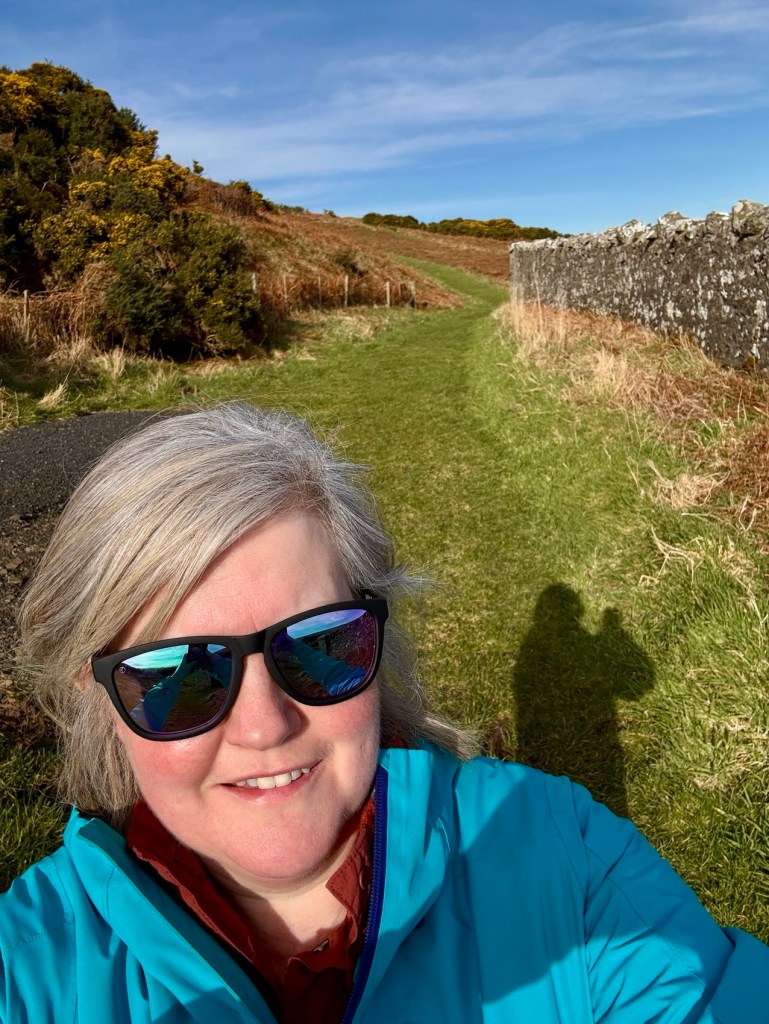
My Running Jounrney

From Couch to 50K – My Story ❤️

A journey of finding myself again, making friendships, discovering a love of running and achieving something I once thought was impossible.

If someone had told me a few years ago that I’d one day run a 50K ultra, I would probably have laughed at them.

Me? Running 50 kilometres? Absolutely no chance!

And before we go any further, let’s make one thing clear: I’m not a fast runner. Never have been, and I’m certainly not going to win any races for speed! I’m not out there chasing personal bests every time I put my trainers on. But what I’ve discovered is that you don’t have to be fast to achieve big things. Sometimes you just need determination, a little stubbornness and the willingness to keep putting one foot in front of the other.

This is the story of how I went from struggling to get off the couch to crossing the finish line of the Dava Way Ultra. It’s a story of grief, friendship, courage, determination, plenty of muddy training runs and discovering that I was capable of far more than I ever imagined.

Where it all began ❤️

A year after losing my mum, I was still struggling. Life felt different and, if I’m honest, I was still trying to find my feet.

Then came International Women’s Day and Skedaddle Shop’s first event. I don’t know where I found the courage, but I decided to go along.

That day I met an absolutely awesome bunch of ladies who inspired me more than they probably realised. I left with a little spark, and just three days later I’d downloaded the Couch to 5K app and headed out for my very first run.
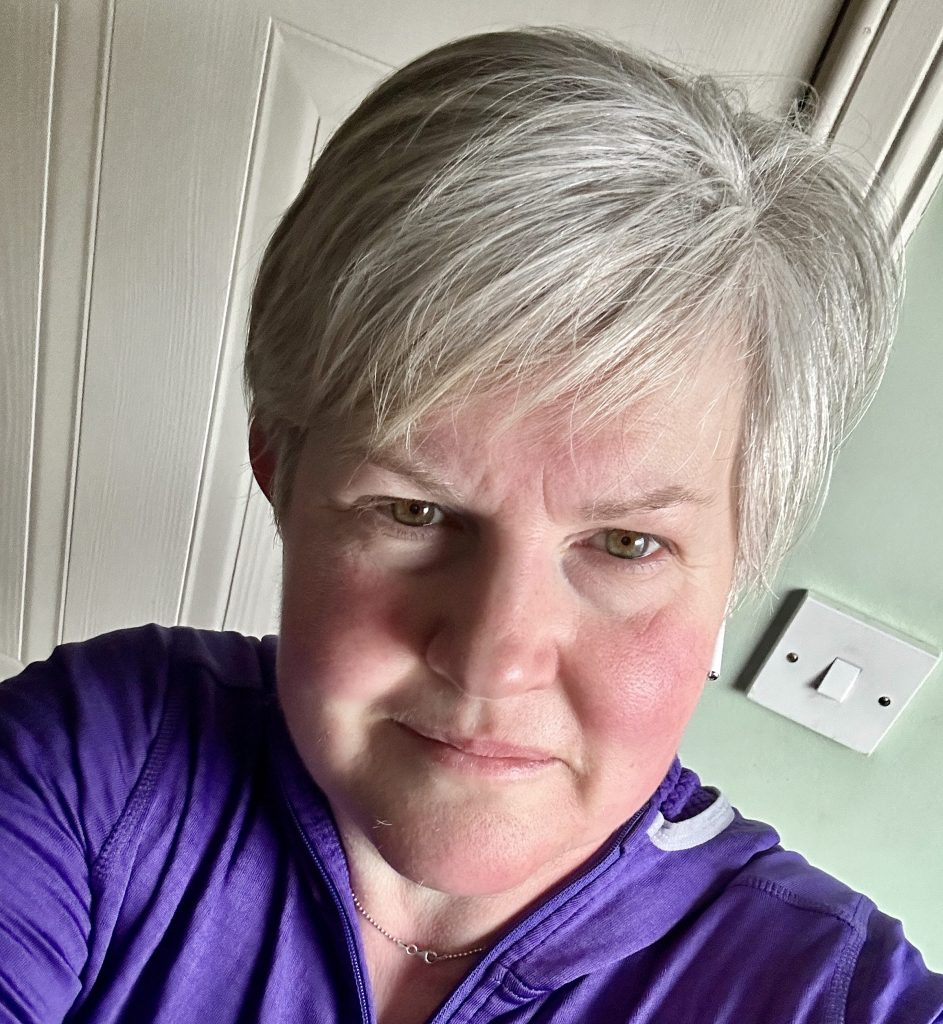
I had absolutely no idea what I was letting myself in for!

I didn’t stop. One run became another, and slowly something started to change. Looking back, that first brave step wasn’t just the start of a running journey. It was the start of finding a little bit of myself again.

Finding my people 🏃‍♀️

By June, things were starting to get a little tougher, it got hotter outside and I was losing momentum. I’d already entered my first 5K race, though, and there was no way I wanted to give up.

After a few weeks of building up the courage, I finally went along to the running club, now known as Strathisla Striders.

I’m still not entirely sure why I needed so much courage to go to the community centre. I already knew almost everyone who went along, but sometimes your mind works in strange ways!

It turned out to be one of the best decisions I could have made.

A few months later, I ran the Room to Run 5K and, feeling a little braver, turned to Clare and asked, “Will you do a 10K race with me?”
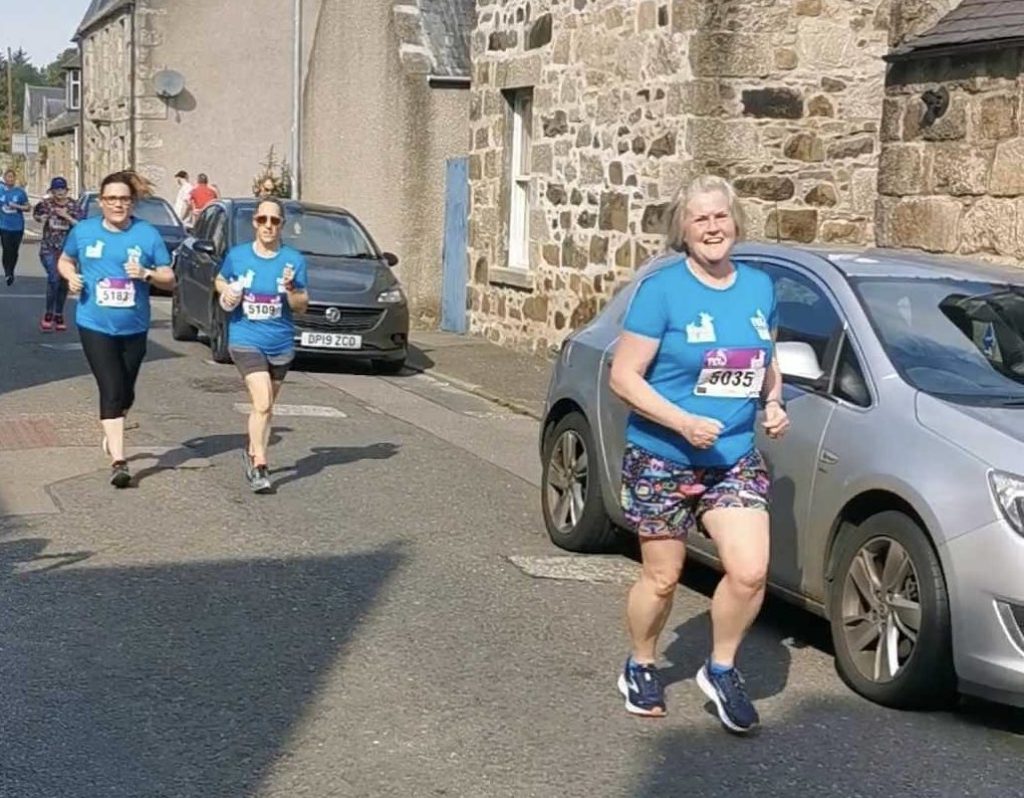
Her response? “Let’s do Brodie 10K!”

10K seemed SO far away at the time, but I trusted the process and knew that if I kept putting in the work, I could get there.
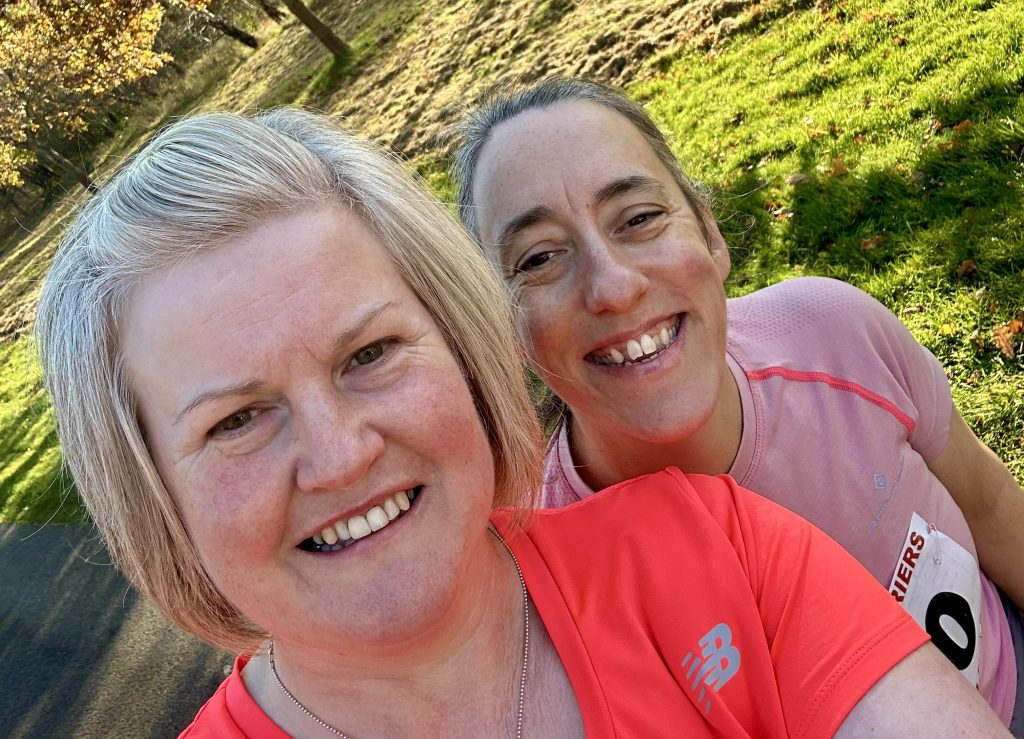
The week after Brodie, I went along to spectate at the Dava Way Ultra. I remember thinking, “One day, I’d love to do that!”

Oh, if only I knew where that little thought would lead!

When the goals got bigger ⭐️

After conquering 5K and then 10K, the next challenge was the Half Dramathon.

Clare and I entered in January, giving me plenty of time to train for October 2025. By this point, Clare was already an ultra runner, so a half marathon was practically a walk in the park for her!

Then came July 2025 and International Running Day. Clearly, I was feeling ambitious because I decided it was the perfect time to enter the Moray Marathon 2026.

I messaged Clare to tell her I’d entered. Her response? She’d enter too!

I hadn’t even run the Half Dramathon yet, but somewhere along the way I’d started believing that if I trained hard enough and trusted the process, I could achieve things I’d never imagined possible.

The Half Dramathon came around and what a day we had! The memories Clare and I made that day are ones we still talk about. It was more than just a race. It was the laughs, the support, the miles and the feeling of achieving something together.
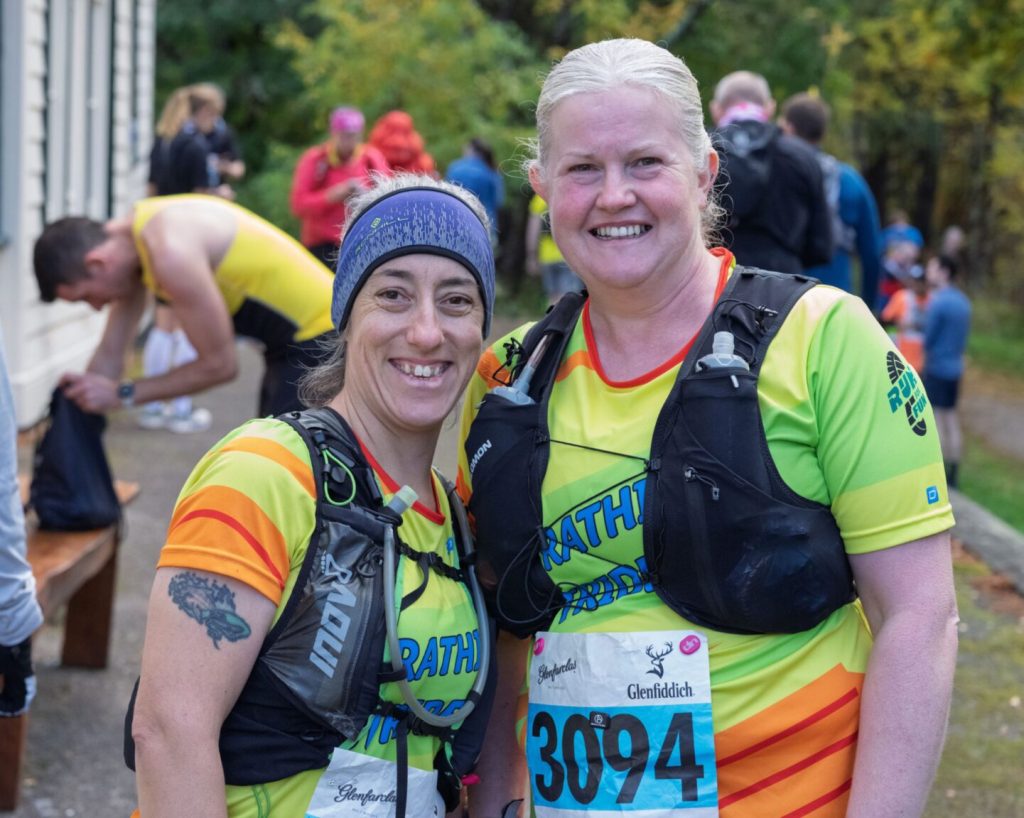
By then, I’d gone from wondering if I could run 5K to signing up for a marathon. And that Dava Way Ultra I’d watched and thought “one day” was still somewhere in the back of my mind.

Trusting the process 🏅

November 2025 was time to knuckle down and train hard for the Moray Marathon.

Well, that was the plan!

Of course, life had other ideas and I ended up with the flu. Three weeks over Christmas without running and I started to panic. Had I lost all my fitness? Would I get back to where I needed to be?

January arrived, I got back out there and thankfully the miles started coming back. Before long, I was back at half-marathon distance and building again.

The next few months were filled with cold, wet training runs, long miles and plenty of determination.

Then came April and marathon day.

Of course, we couldn’t have an ordinary weather forecast! We had a storm.

For a good chunk of the race, we actually got away with it, but around mile 16 the wind started picking up and by mile 24 we were dealing with wind and hail.

Those last couple of miles were HARD. Really hard.

But we did it. We crossed that finish line and I became a marathon runner and with that the sun came out!
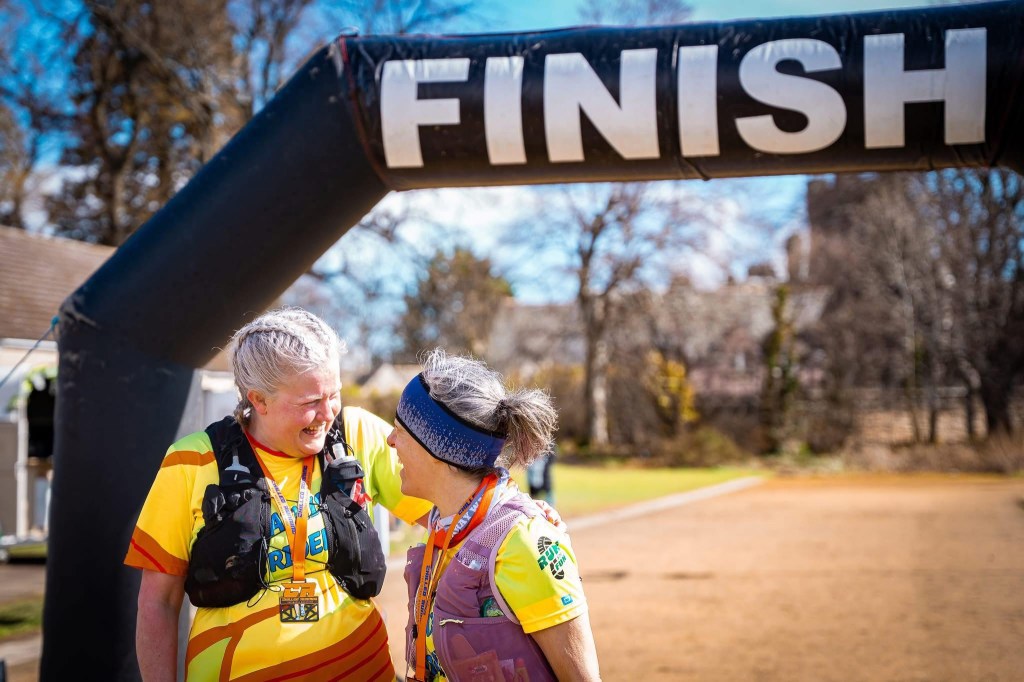
Moray Marathon April 2026 – Image Credit : Jade Sykes Photography

By this point, I’d already entered the Dava Way Ultra and the Full Dramathon. From someone who once struggled to get off the couch to running a marathon, what was happening?!

I was starting to realise just how much was possible when you keep showing up.

Bigger challenges ahead 🏃‍♀️

April to October was all about putting in the work.

There were smaller races, plenty of long training runs and lots of learning along the way. One thing I particularly wanted to improve was my fuelling, as I’d really struggled with that during the Moray Marathon.

Every long run was another opportunity to learn what worked, what didn’t and what my body needed.

Then came Dramathon day!

The sun was shining, and Clare, Andy and I set off for what turned out to be the BEST day.
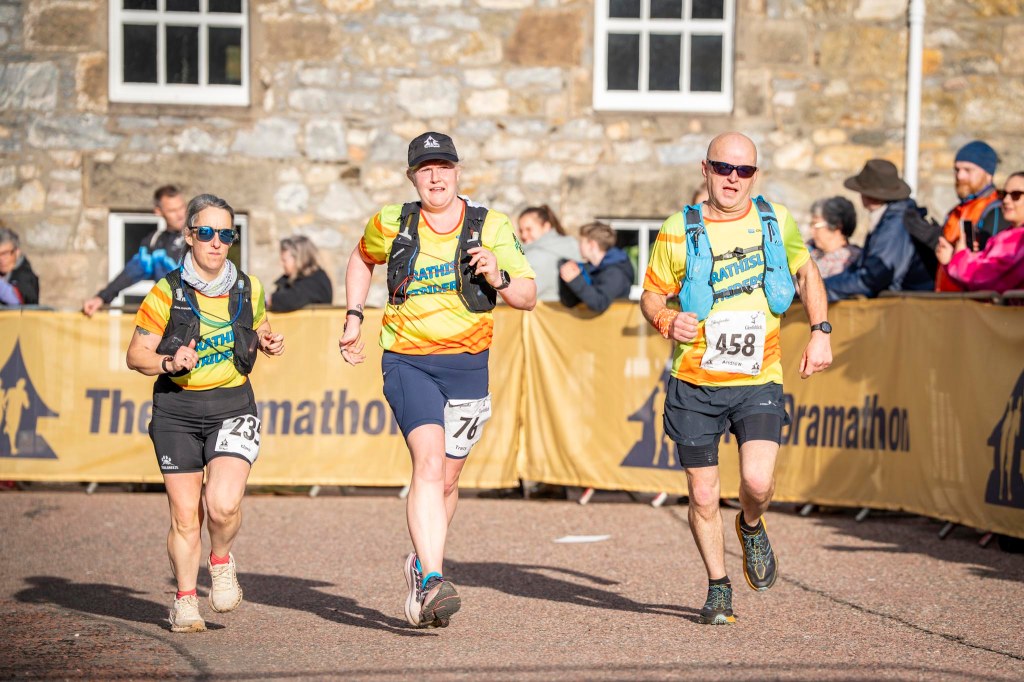
Dramathon October 2026 – Image Credit : Stuart Ross Media

There were so many laughs along the way, my fuelling went well and I felt so much better afterwards than I had after the Moray Marathon. In fact, I even ran a 5K the following day!

Three weeks later came the big one.

The Dava Way Ultra 50K.

The biggest challenge I’d ever taken on.

I’d walked the trail before, so I knew what to expect, but knowing a route and running 50K are two very different things!

I’d put in the training, learned from my previous races and had my fuelling plan sorted. Now it was time to see what I was made of.

The Dava Way Ultra – I DID IT! 😭❤️

We set off and, for the most part, things were going well. I knew the trail from having walked it before, so I had an idea of what lay ahead.

But around 30K, my brain started playing tricks on me.

Self-doubt crept in and I started thinking I couldn’t possibly get past 42K. It was the fear of the unknown. I’d run a marathon before, but those extra kilometres seemed like a completely different challenge.
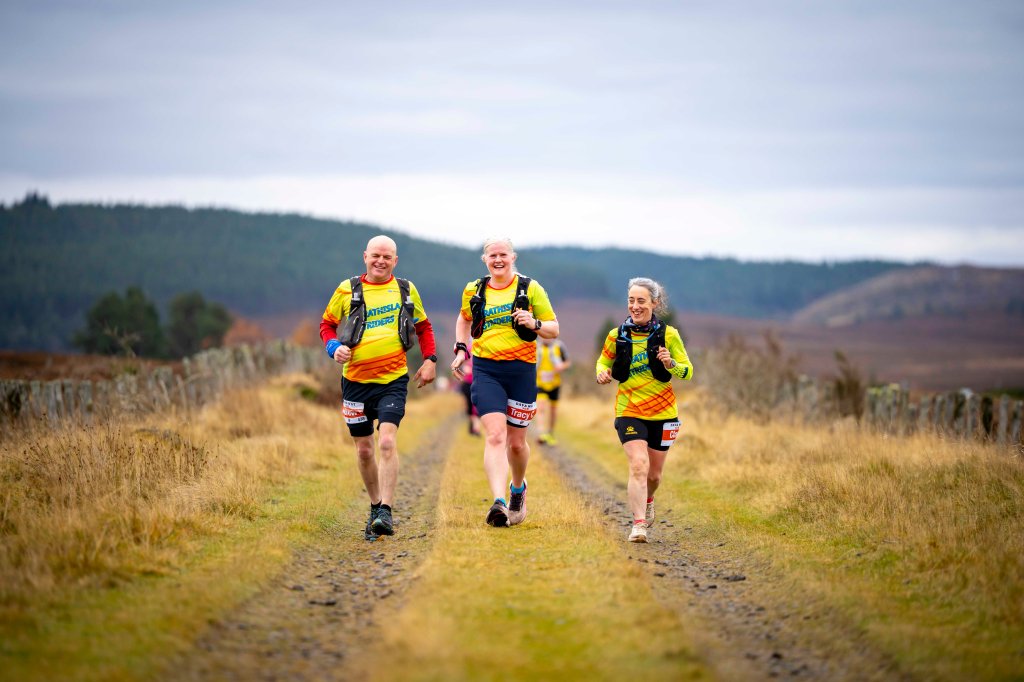
The Dava Way Ultra – Image Credit : Stuart Ross Media

Then we reached checkpoint 2 at 34K.

A quick face wash, a trip to the toilet, some food and a little reset. Somehow, my head settled and I started feeling like myself again.

42K came and went. Then 50K didn’t seem quite so impossible.

But there was one final sting in the tail… the climb to Nelson’s Tower!

We made it to the top, grabbed a quick photo and then it was downhill all the way.

And that’s when it hit me.

My face started leaking. I couldn’t believe I’d actually done it. All those training runs, all those doubts, all those cold and wet miles. I was going to finish a 50K ultra!

I quickly dried my tears because there was absolutely no way I was crossing that finish line crying! 😂

I took my phone out, checked my face and we were out of the woods and on the home straight.

I started running faster than I had done all day as the finish line came into sight. I had no idea if my husband would be there, but then I spotted him standing waiting for me.

That was it. I sprinted towards the finish, collected my medal and went straight to see him.
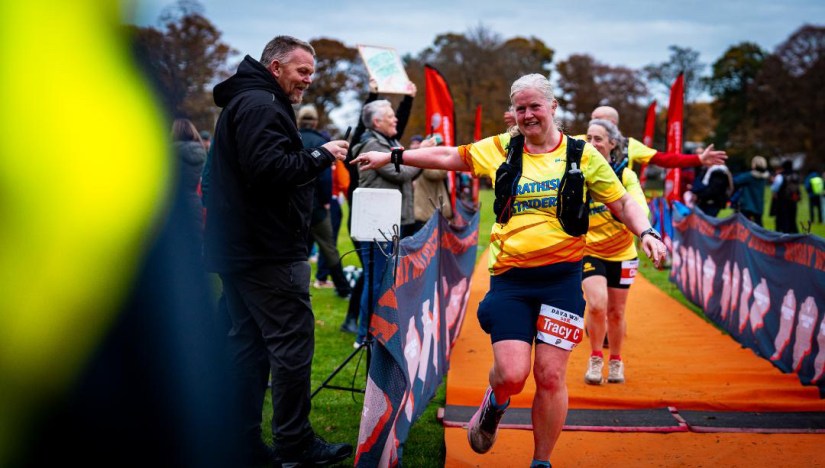
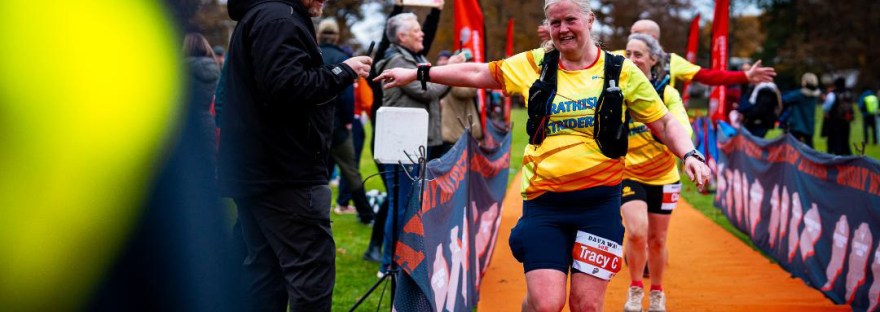
Dava Way Ultra Finish Line – Image Credit : Jade Sykes Photography

I DID IT. I REALLY, REALLY DID IT!

More than just 50 kilometres ❤️

When I look back at where this all started, it’s quite difficult to put into words just how much running has changed my life.

Along the way, I’ve found friendships, a running community, confidence and a belief in myself that I didn’t know I had.

I’ve learned that progress isn’t always straightforward. There are setbacks, illnesses, doubts, bad weather, tough training runs and days when getting out of the door feels like the hardest part.

But there are also finish lines, unforgettable memories, laughter, achievements and moments when you stop and think, “I actually did that!”

And no, I didn’t do it quickly. I’m not a fast runner, and I never set out to be one. My journey has never been about how quickly I can cover a distance. It’s about proving to myself that I can cover it in the first place.

There were plenty of runners who finished before me, and plenty who could run those distances much faster. But every single one of us had our own journey, our own challenges and our own reasons for being there.

I often think about that first event at Skedaddle Shop and the ladies who inspired me to take that first step. They probably had no idea where those chats that day would lead.

From struggling after losing my mum to finding the courage to try something new, joining a running club, making amazing friendships and eventually completing a 50K ultra. What a journey it’s been!

Special mention to my amazing supportive husband whose love and encouragement mean the world to me, and for turning a blind eye when another pair of new trainers appear in the wardrobe.

You don’t have to be fast to go far. You just have to keep going.

Never underestimate where one brave decision can take you.

Sometimes the hardest part isn’t running 50K. It’s finding the courage to put your trainers on and take that very first step.

And sometimes, that one step changes everything.
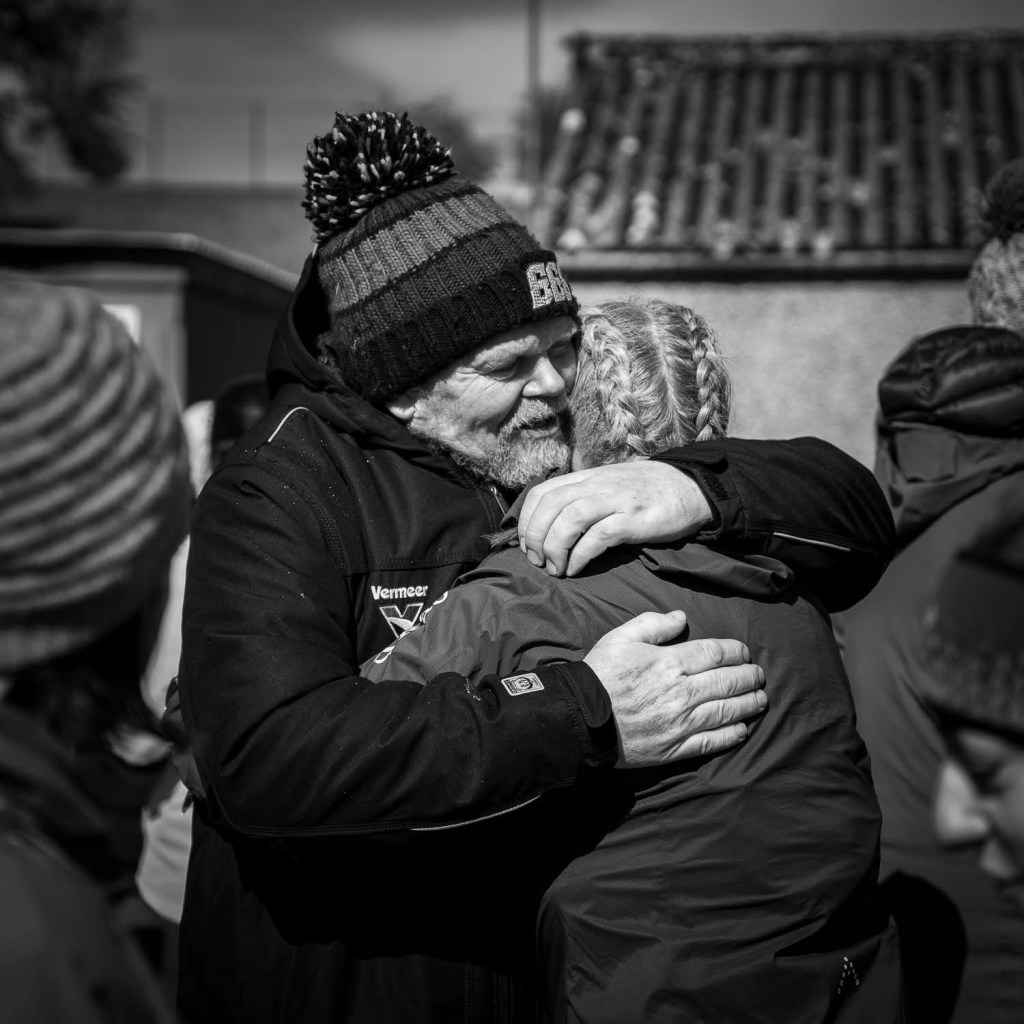
Moray Marathon April 2026 – Image Credit : Jade Sykes Photography

Here’s to the next adventure! 🏃‍♀️❤️
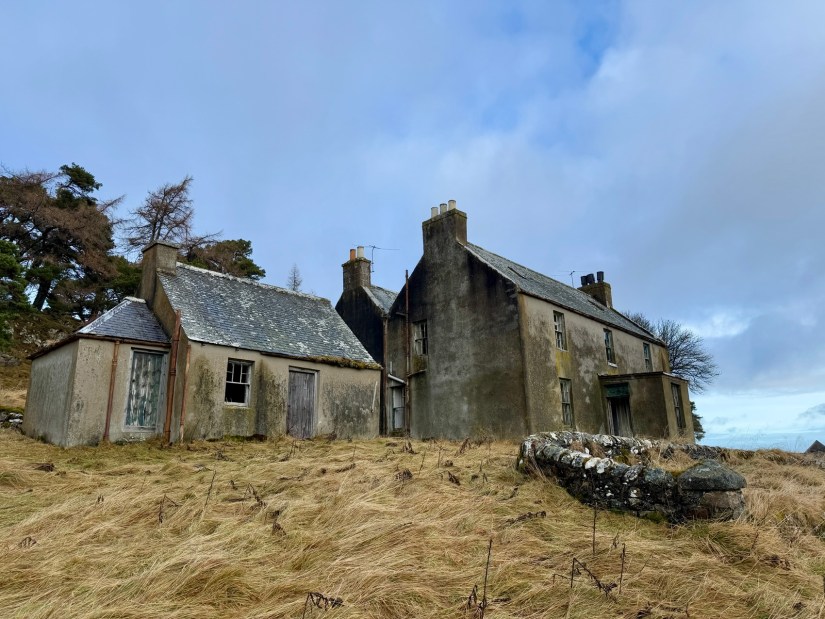
Highlands Walks, New Walk

Exploring Aviemore 

Distance:  4 ¾ miles. Time: 2–3 hrs. Terrain: A mix of woodland and grass paths, pavement, and some road walking. Access: Car parking is available on Grampian Road (PH22 1RH), a short distance from the start. Trains to and from Inverness run regularly, and various bus routes, including those to Grantown, Carrbridge, Kingussie and Inverness serve the start of the walk. Both the train station and bus stop are located at the walk’s starting point. Toilets can be found next to the car park and at the train station.

In the heart of the Cairngorms, Aviemore is a wonderful town to explore at any time of year. Several waymarked trails can be accessed from the town centre, including the Craigellachie Nature Reserve and the Speyside Way. This circular walk takes you around the edge of the town, following parts of the Orbital Trail and National Cycle Route No. 7.

Starting on Grampian Road outside the train station, turn left and head toward the petrol station. When it is safe to do so, cross the road and continue walking past the Happy Haggis Chip Shop. After the waste ground beside the chip shop, take the road leading up to the youth hostel. You’ll find a track to the right of the youth hostel, follow it until you come to the tunnel for the Craigellachie Nature Reserve.

To the right of the tunnel, you’ll see some steps and a sign for the Aviemore Orbital. Head up the steps and follow the waymarked Orbital Trail. This part of the walk is marked by green Orbital marker posts. You will pass behind the Macdonald Hotel and the Scandinavian Village.

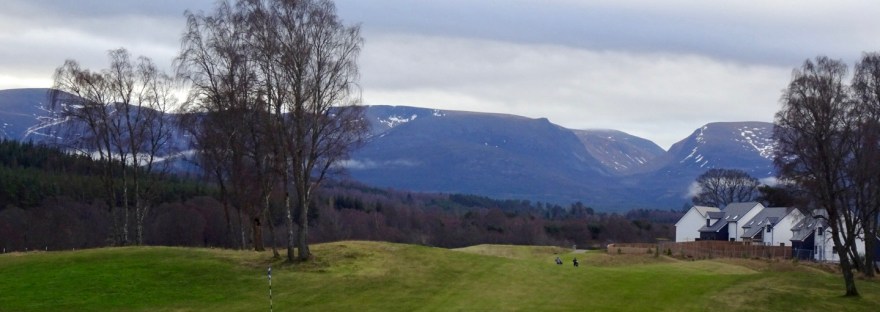
Continue along the waymarked Orbital Trail through the woodland, passing a large wooden outdoor learning gazebo. You will walk over a bridge crossing Butcher’s Burn before reaching Old Meal Road. The track begins to curve to the right, offering fantastic views of the Cairngorm Mountain range.

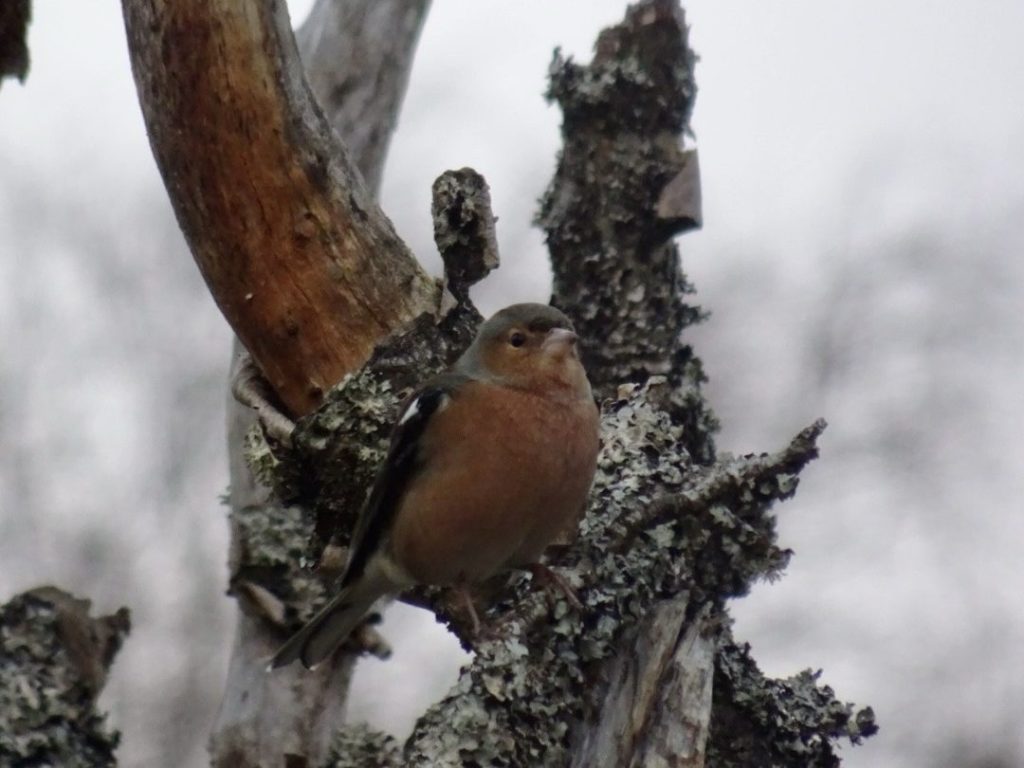
Soon, you will reach a main road, be cautious while crossing and rejoin the trail on the other side. In this section, you may spot plenty of birds in the trees—perfect for keen birdwatchers. You will come to the first train track, where a bridge takes you under the railway. Shortly after, you will pass under a second train track.

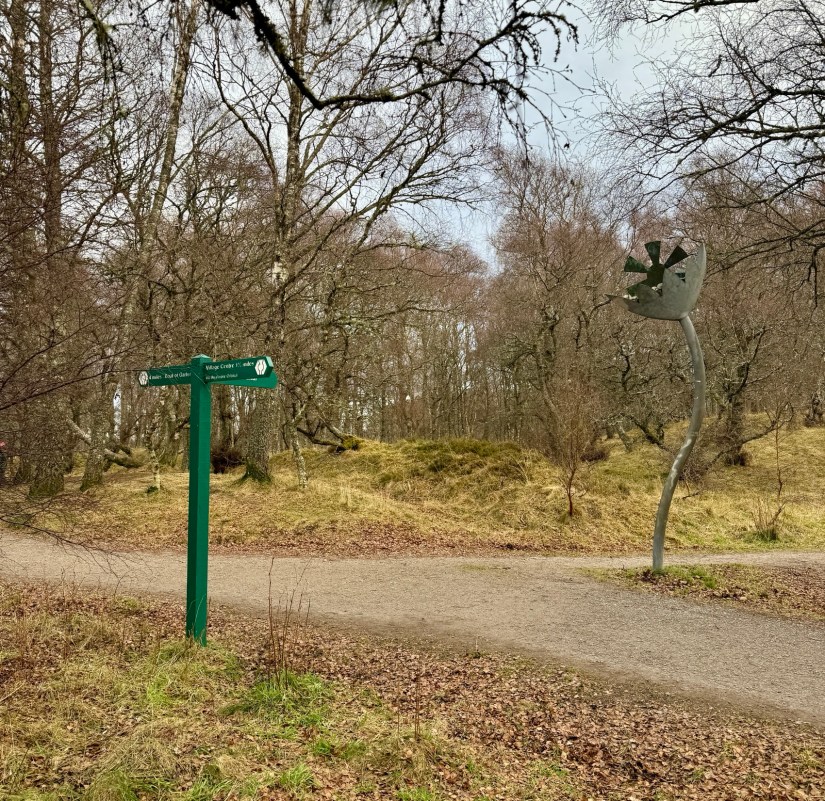
Continue along the trail until you reach a junction with large metal flowers. Here, follow the track that points to the Orbital Trail, but this is also where you join National Cycle Route No. 7.

At the end of the track, you’ll find the golf club near the River Spey. Turn right here to a small car park area with a blue signpost for Cycle Route No. 7. Follow the road along Spey Avenue until you reach Dalfaber Drive. Turn right, then take the next left onto Dalnabay. Continue along this road, following the Cycle Route No. 7 signs.

You’ll pass a quiet housing estate before reaching a wooded area that leads to Dalfaber Road. On your left, you’ll see the sheds for the Strathspey Railway—look out for some old trains as you pass.

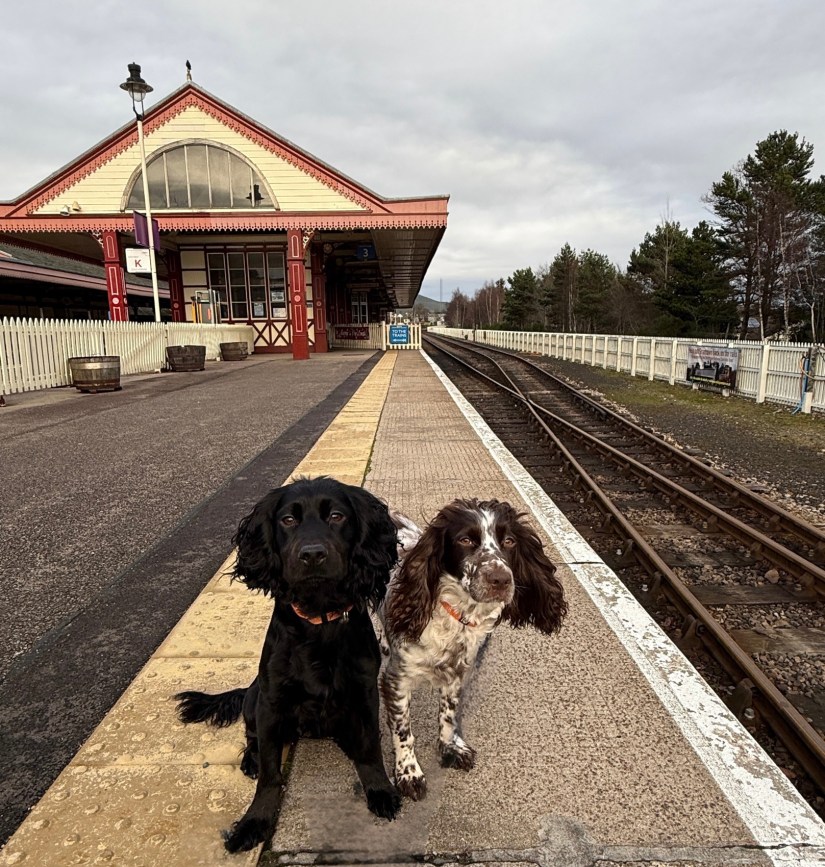
Further along, you’ll come to an underpass for the railway line on your right. To the left of the underpass, you’ll find a path leading to the Strathspey Railway car park. If you time your visit right, you might even spot the Strathspey Railway steam train.

Finally, take the steps over the railway line, which will bring you back to the starting point of the walk.

Moray Walks, Places to Walk

Whiteash hill woods Duchess of Richmond Cairn, Moray

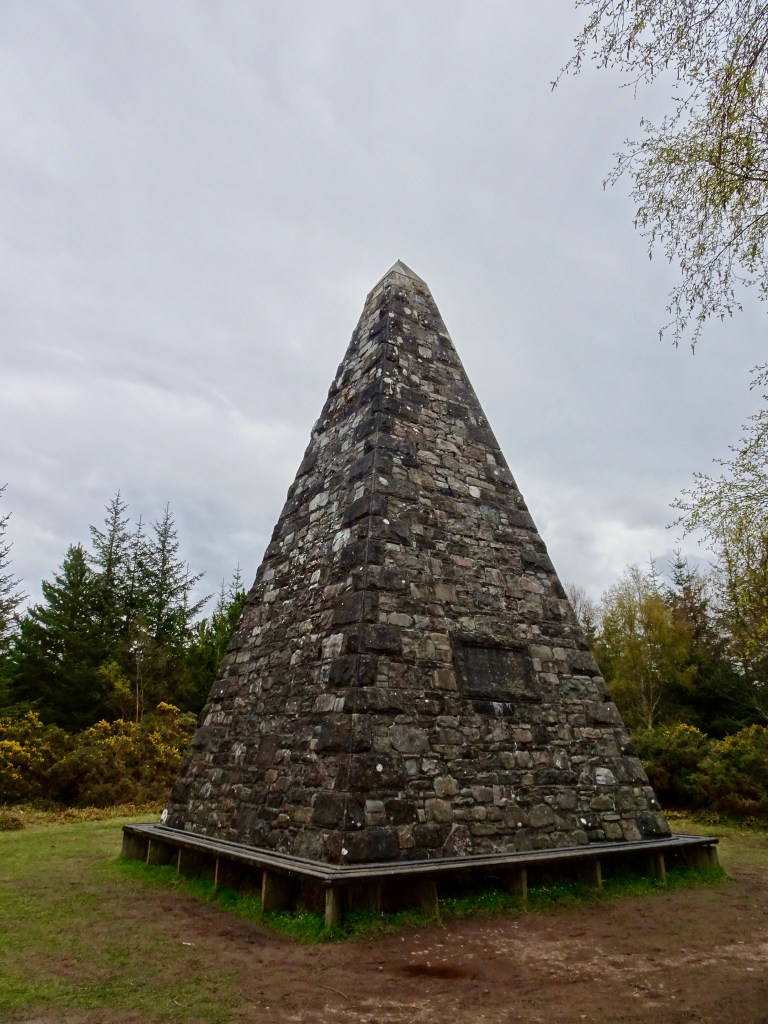
Whiteash hill woods are between Keith and Fochabers. They are home to a maze of many paths and forestry tracks. With a short uphill climb you find one of Scotland’s pyramids, the huge cairn erected in memory of Frances Harriet, Duchess of Richmond by the 1st Duke of Gordon in 1887.

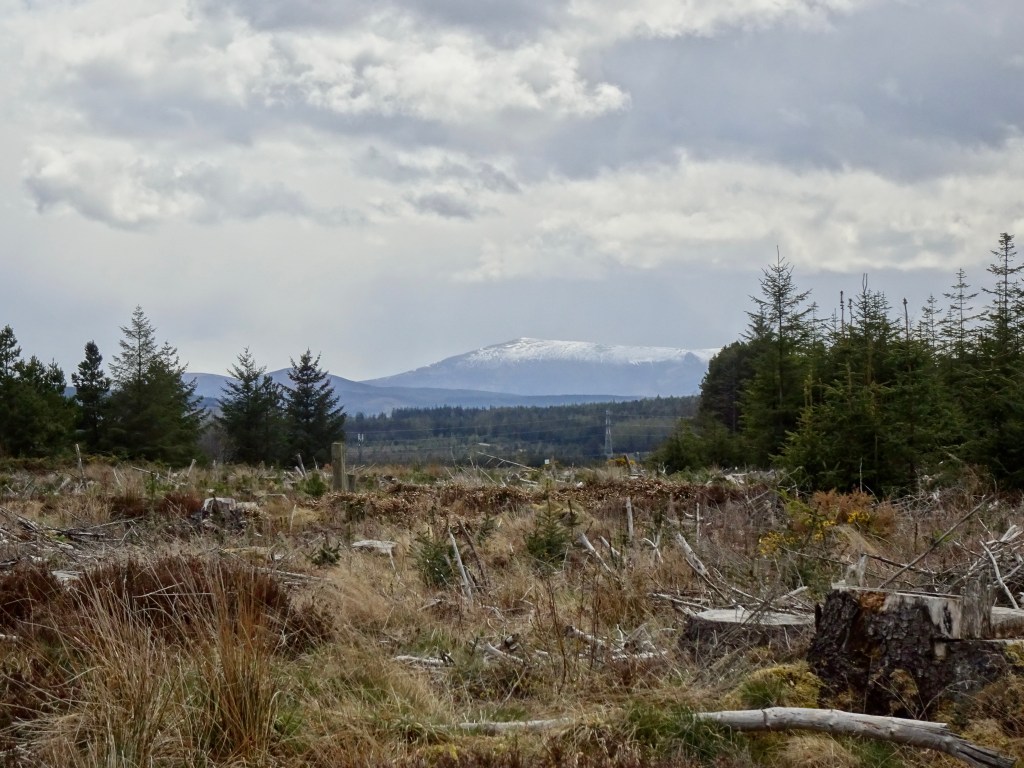
As well as the cairn there are great views of the Moray coastline and, on the really clear days, the hills in the Black Isle can be seen in the distance. Just before the end of the walk, there is also a lovely view of Ben Rinnes in the distance.

Start: Whiteash Hill woods near Keith, Moray Distance: 4 miles Time: 1.5 hours Terrain: Forestry track and a section of rough track. Access: Arrive by car. Situated about 3.5 miles north-west of Keith on the A96. Turn up the road on the right that is sign posted Braes of Enzie and drive about three-quarters of a mile along the road where there is a opening on the left with two gates. There is space for at least six cars. The OS map grid reference is NJ38803 56383

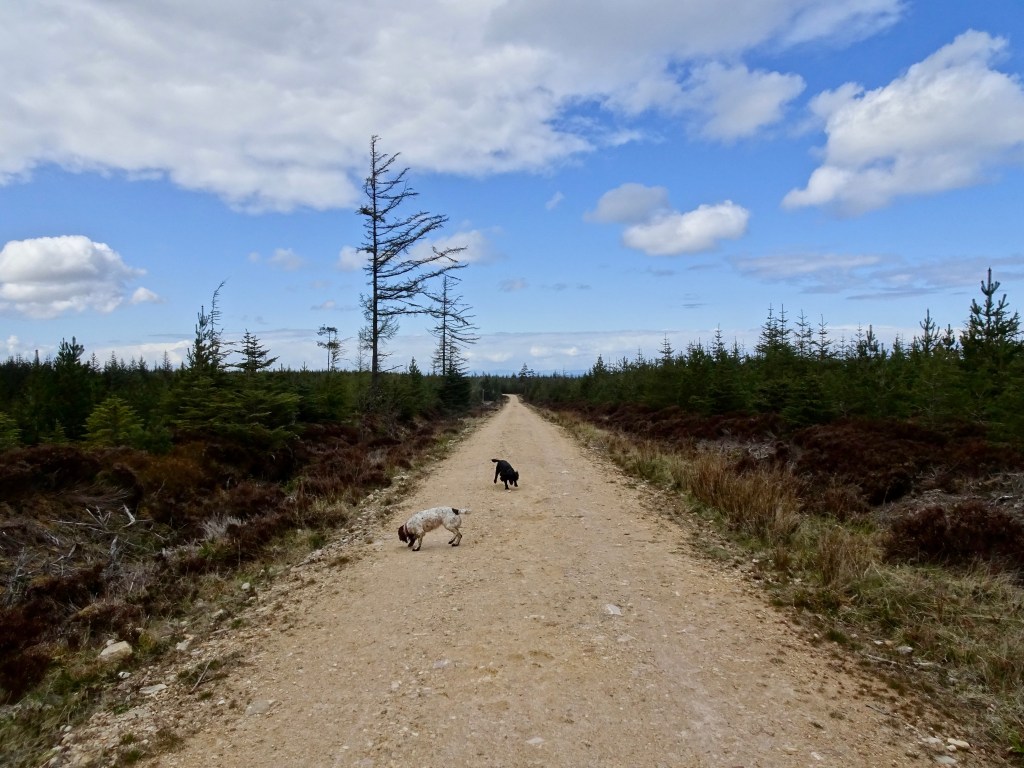
Route: Leaving the car park, go past the forestry gate on the left and head up the forestry track for about 1.2 miles until you come to the crossroads.

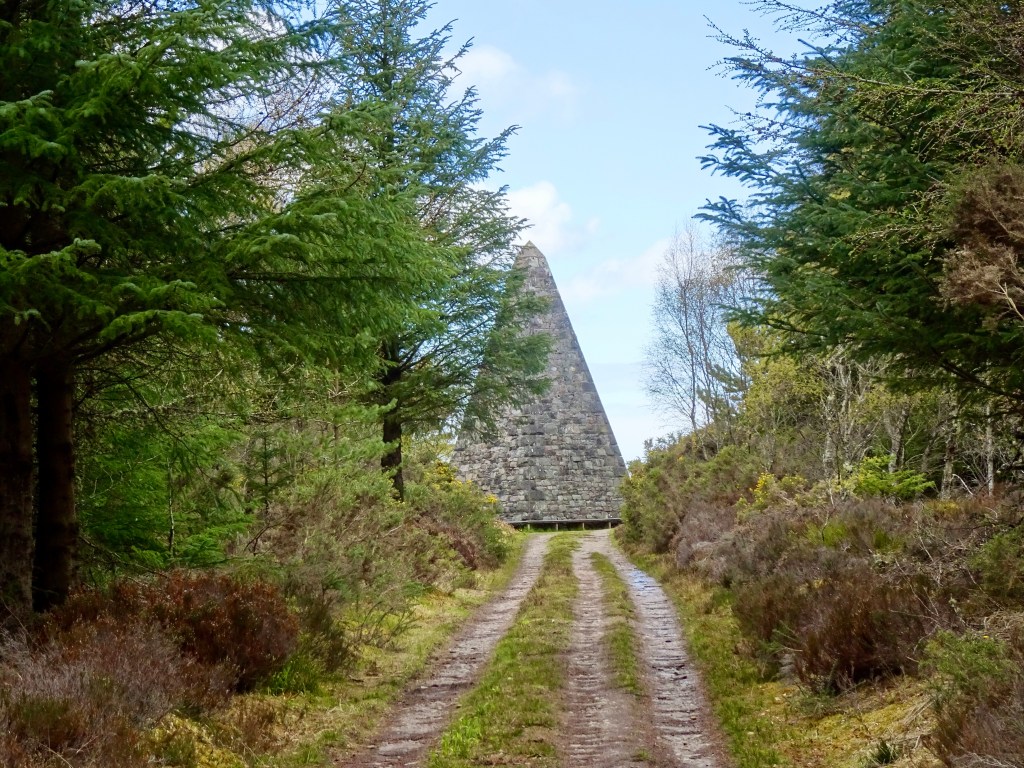
Take the road to the right and you will see a wooden post with a No 14 on it. Just ahead the pyramid-shaped monument dedicated to the Duchess of Richmond – also known as the Whiteash Cairn – can be seen.

Once you come to the cairn, go straight ahead and admire the coastal views.

Head down the narrow rougher track. Keep going until you come to a crossroads with a forestry track. Take a right here. The track will veer to the right, keep going until you come to a junction and take a right.

Stay on this track for just over a miles, where you will come back to the car park.

Don’t miss: Taking a photo of yourself with one of Scotland’s pyramids.

Moray Walks, New Walk

Discover Keith

Distance: 3 miles Time: 1 – 1.5 hrs Terrain: All pavement Difficulty: Easy, with some elevation. This route is accessible for most walkers. There are no steps or step avoidance detours needed. Getting there: There is plenty of parking at the start of the walk in Reidhaven Square (AB55 5AB). The Stagecoach No. 10 and Ember buses also stop in the Square; both run services between Aberdeen and Inverness.

This is a beautiful walk in my home town of Keith, a place steeped in history. In 2014, Keith was proudly named Scotland’s first Scots Toun for its efforts in celebrating and promoting the Scots language and culture, particularly the local Doric dialect.

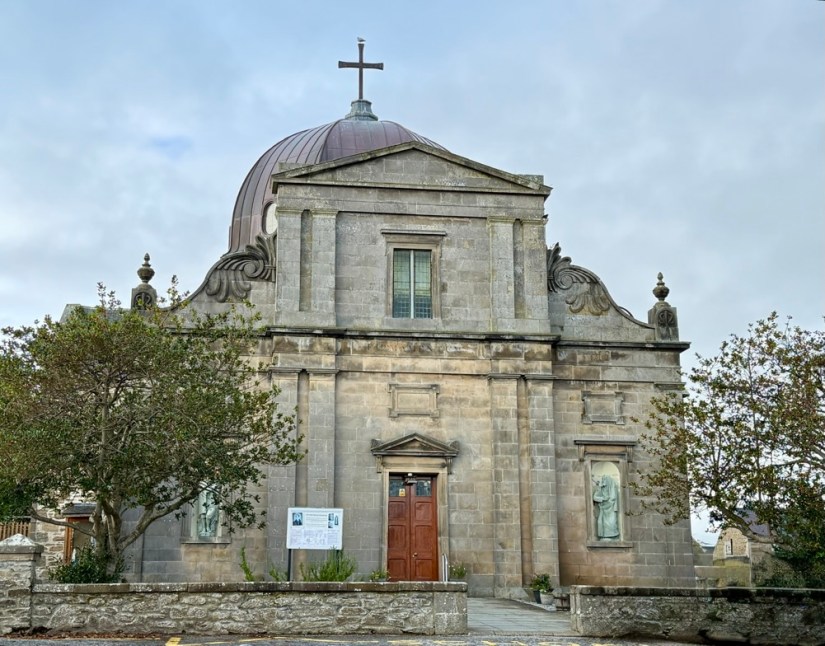
Begin in Reidhaven Square and head up Chapel Street towards St Thomas’s Catholic Church, a striking landmark in the centre of Keith with its distinctive copper dome.

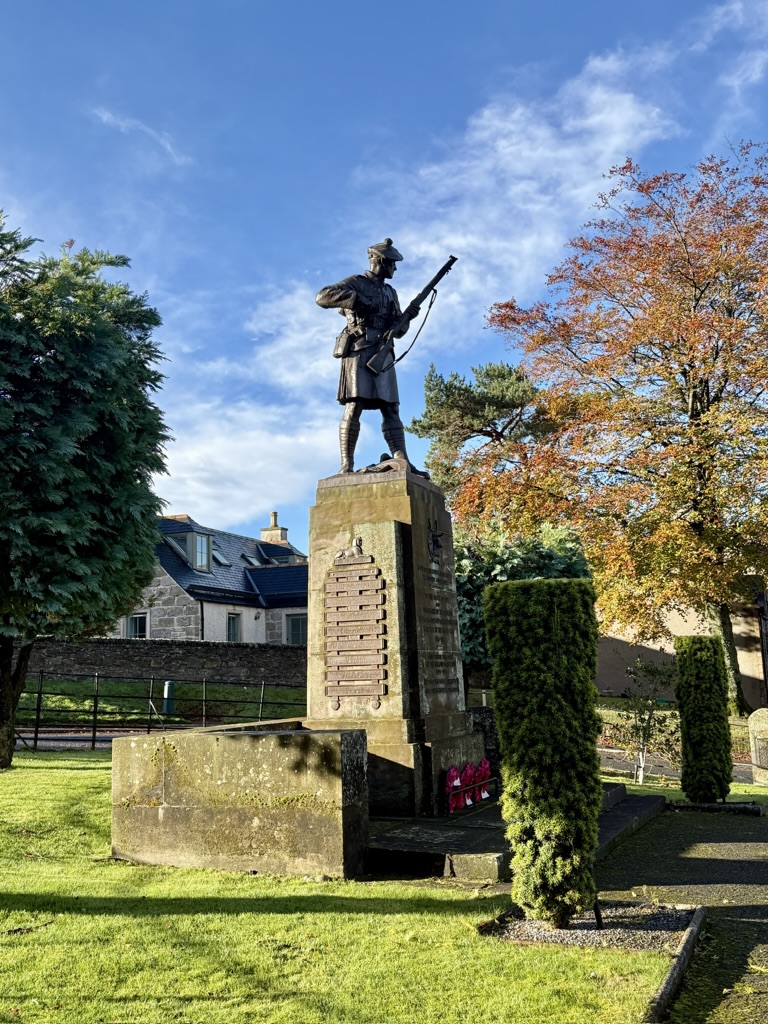
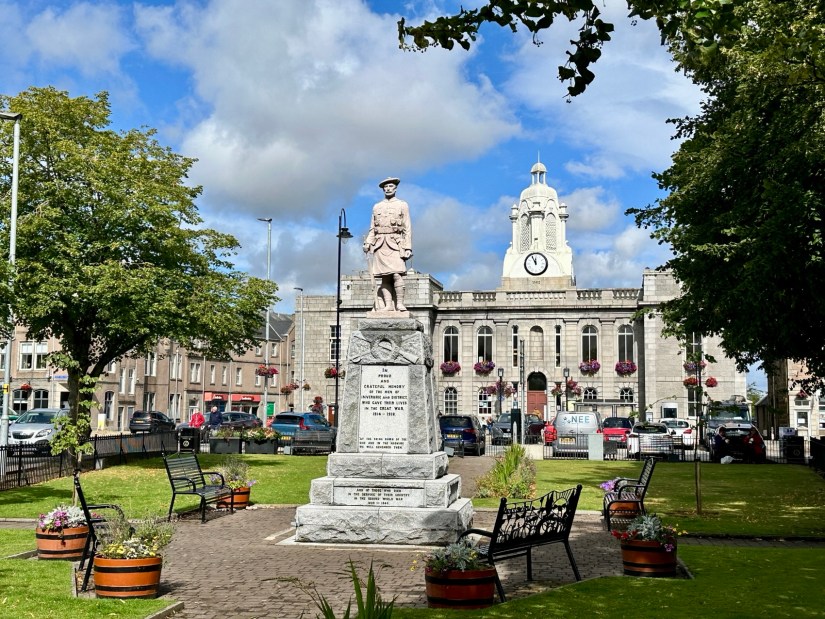
Once you have visited the church, head back down to Land Street and turn left, continuing until you reach the war memorial at the foot of the street. The beautifully maintained memorial garden contains three monuments: one for WWI, one for WWII, and one for those who died outwith the wars.

From here, turn left and pass the Ugie House Hotel. You will soon come to the Keith Band-stand, and just across the road stands the very grand St Rufus Church. Designed by James Gillespie Graham, St Rufus was built in 1816 to replace a medieval church that once stood in the old cemetery near the River Isla.

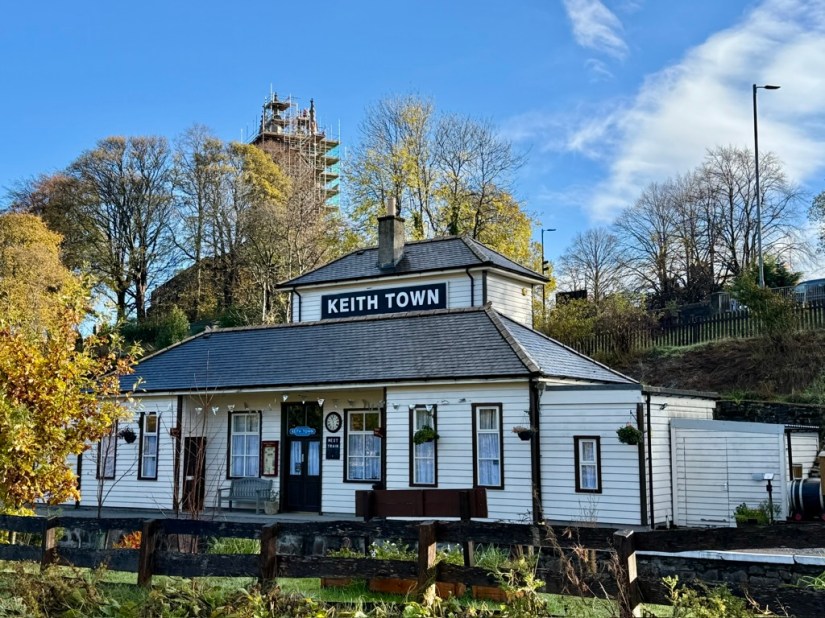
Continue down the road towards Bargain Buys, which stands on the site of the old mart. Across the road is Keith Town Railway Station, where trains run between Keith and Dufftown on the Whisky Line during the summer months, along with special services throughout the year.

Just after Bargain Buys, there is an opening on your left leading down to the Auld Brig. The bridge was built in 1609 by Thomas Murray and his wife, and it is said to have been erected in memory of their son, who drowned while crossing the ford.

To the left of the bridge, you can see a large stone covering a small opening. This is known as Campbell’s Hole. According to local stories, this is where the Hanoverian Campbells hid from the Jacobites after a battle in 1746.

From the bridge, you can take the steps back up to the street or retrace your steps to Bargain Buys. From here, head over the Union Bridge, where the River Isla flows beneath. You are now in Fife Keith.

Continue up the road until you reach the traffic lights. This is a safe crossing point. Cross the road, turn left, and then take the road on your right just after the Beauty Box.

Walk down Station Road, passing Glen Keith Distillery on your left. As you cross back over the Isla you will see the rear of Strathisla

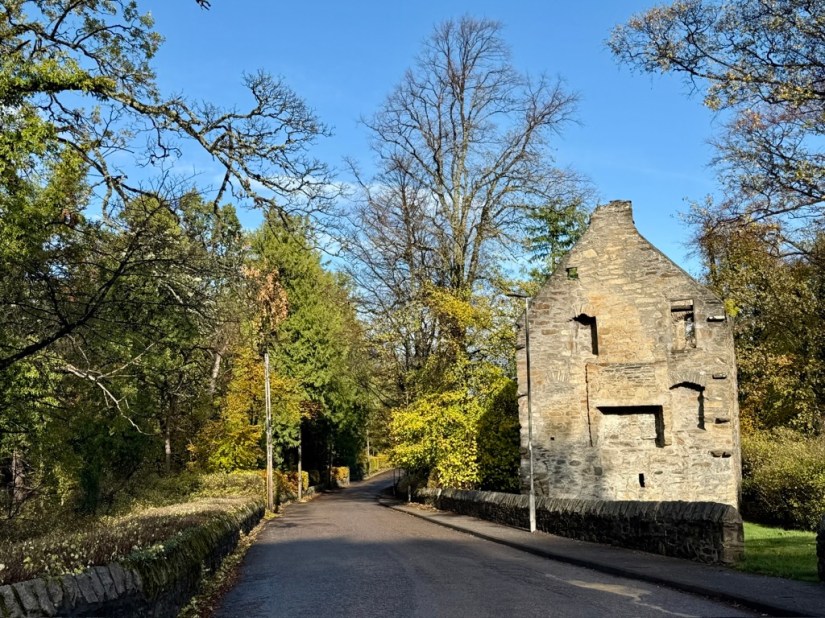
Distillery. In front of you stands Milton Tower, the only surviving part of Milton Castle. Built around 1480 by George Ogilvie, the castle fell into ruin by 1715, and only the north portion, now known as Milton Tower, remains.

Continue along the road until you reach the bridge over the old railway line. Take a right here, cross over the railway line, and head straight up Seafield Avenue. You will pass Strathisla Distillery, the oldest continuously operating distillery in the area, dating back to 1786.

After Strathisla, you will reach St Rufus Park and the tennis courts. Across the road stands Holy Trinity Church, where my husband and I were married. Just after the tennis courts, take the track to the left. On your right you will find three very large stones erected in 2007 by the Keith and District Heritage Group. Each carries a plaque listing notable people from Keith and Strathisla.

Continue along the track to Scotscraig Gardens, where you will find yourself back at the war memorial. Turn left here, passing the bowling green and Longmore Community Hall.

Cross Banff Road, then take a right crossing at the traffic island.

You are now at the bottom of Mid Street, next to the North Church. Head up Mid Street, where you will find a fantastic selection of independent shops to explore before returning to Reidhaven Square, where your walk began.

This is only a small snapshot of Keith. There is so much more to discover.

Aberdeenshire Walks, New Walk, Places to Walk

Explore Kintore

Distance: 5 miles Time: 2-3 hrs Terrain: Mix of pavement, road, grass and rough trail Access: Easy with some elevation 45Getting there: I found plenty of on street parking around the Kintore Public hall area AB51 OQP. Kintore has very good public transport links. The train station is only a short walk and there is a bus stop in the square.

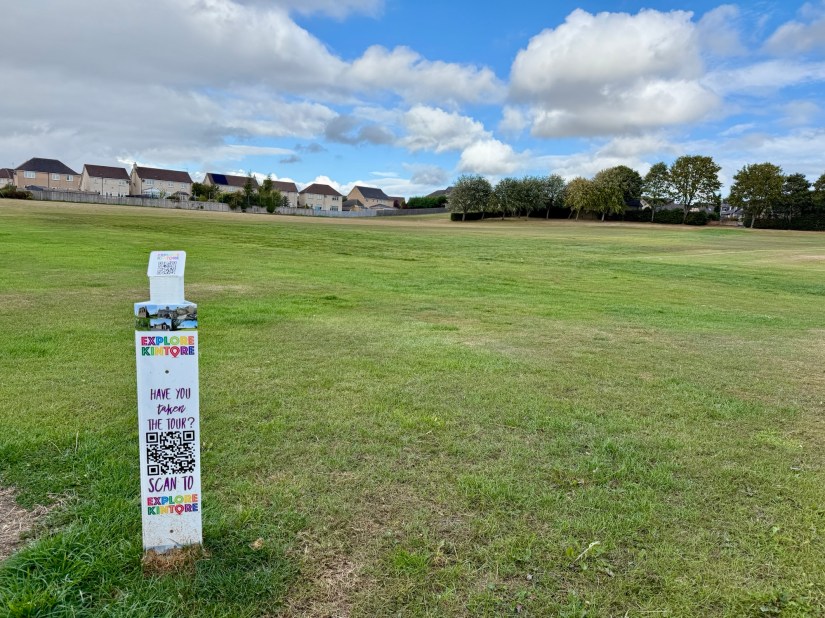
Explore Kintore is a fantastic new interactive history tour of the town. At each stop you will find a QR code to scan, giving you a short two-minute story about the place where you are standing.

I began the walk at Kintore Public Hall on School Road. Built in 1894, the hall is still run by the community and is the starting point of the tour. From here, take a left towards the church.

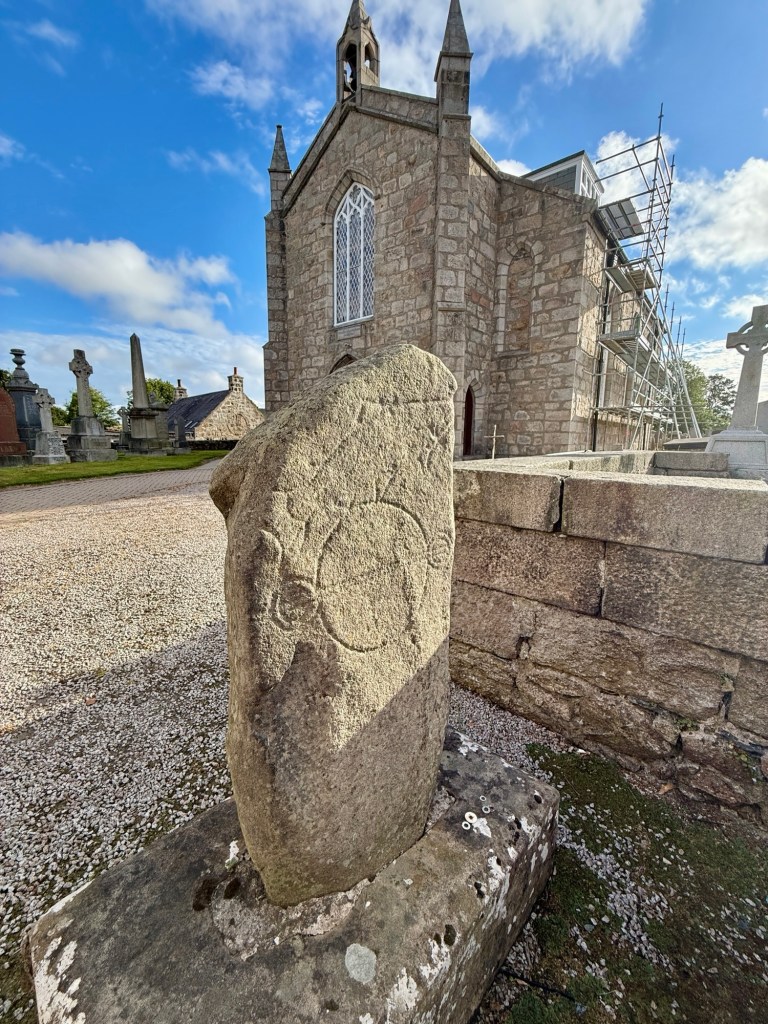
At the church you will find three QR codes. At the gates stands the war memorial, one side has a list of those who gave their lives in the Great War. Go through the gates to find records those who fell in the Second World War. Next to the gates is the Kintore Pictish Stone, discovered in the churchyard but possibly from Castle Hill. Turning around you will see Kintore Kirk, the parish church built in 1819.

Leaving the kirkyard, turn left along Kingsfield Road until you reach the edge of town. On the right is a large white house, and just beyond it another QR code. This tells the story of the Aberdeenshire Canal, closed long ago to ma ay for the railway.I took a short detour furth along the road here to capture the view of the train tracks with Bennachie in the background.

Heading back along Kingsfield Road, continue into town until you reach the road called Howieslap on your left. Turn down here and walk straight on, when you come to wooden sheds you will see a grassy track. Follow the track right to reach a footbridge over Tuach Burn.

Cross the bridge and head uphill to the mast on Tuach Hill, where you can also bag a trig point. Looking back over Kintore, take the track on your left. This leads past an old quarry and the remains of Carn Ulach, a stone circle. Keep following the trail until it rejoins the main track.

Soon you will come to a fork. Take the left path down into the park and cross another bridge, gated but accessible. After the bridge turn right to find a bench with a QR code about Tuach Hill.

From here continue straight on, then turn left at the next junction. At the end of the road, turn right and cross over. A path with bollards to the left leads you to the play park, built on the site of the Roman camp known as Deer’s Den. Another QR code here tells its story.

From Deer’s Den, continue along Hallforest Drive. Cross the road at the roundabout and carry on along Castle Road, under the bypass, until you reach a large house on the right. Just beyond it, turn right for Hallforest Castle.

Dating back to the 14th century, Hallforest Castle is one of the oldest in Scotland. After visiting, follow the road past the ruins, turning right, then right again, and finally left to return under the bypass.

Keep straight until you reach the roundabout.Take a left onto Hallforest Avenue, then turn left again at the T junction onto Forest Road. This leads you back to the square for the final two QR codes.

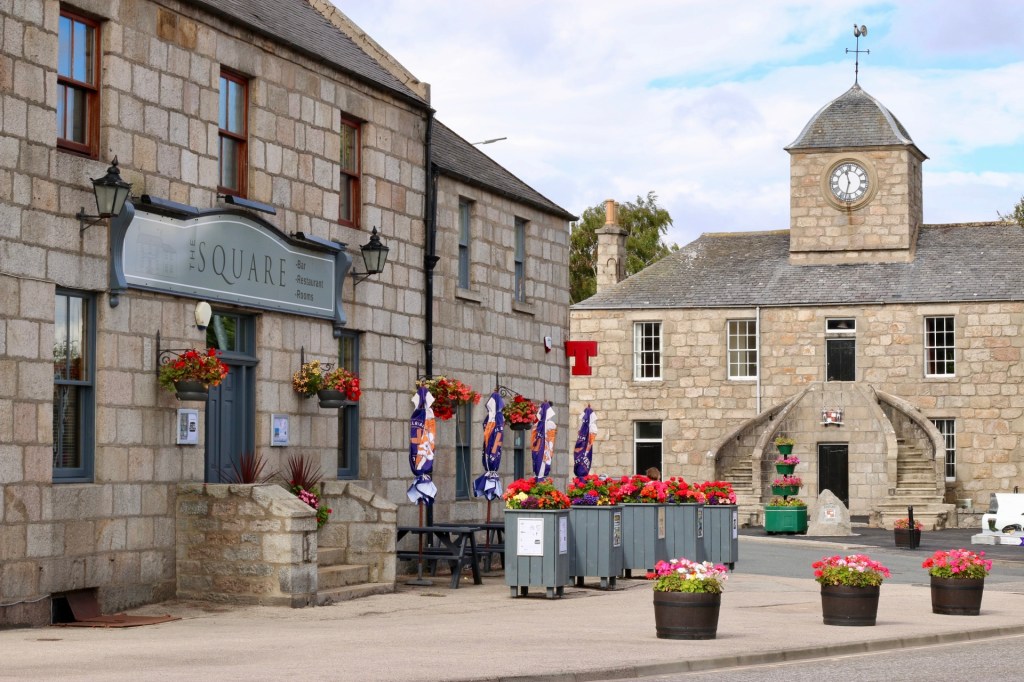
The first is at Kintore Town House, a striking building commissioned by the Earl of Kintore in the 18th century. At the front stands the Kintore Millennium Stone. The final QR code is at the Kintore Arms Hotel.

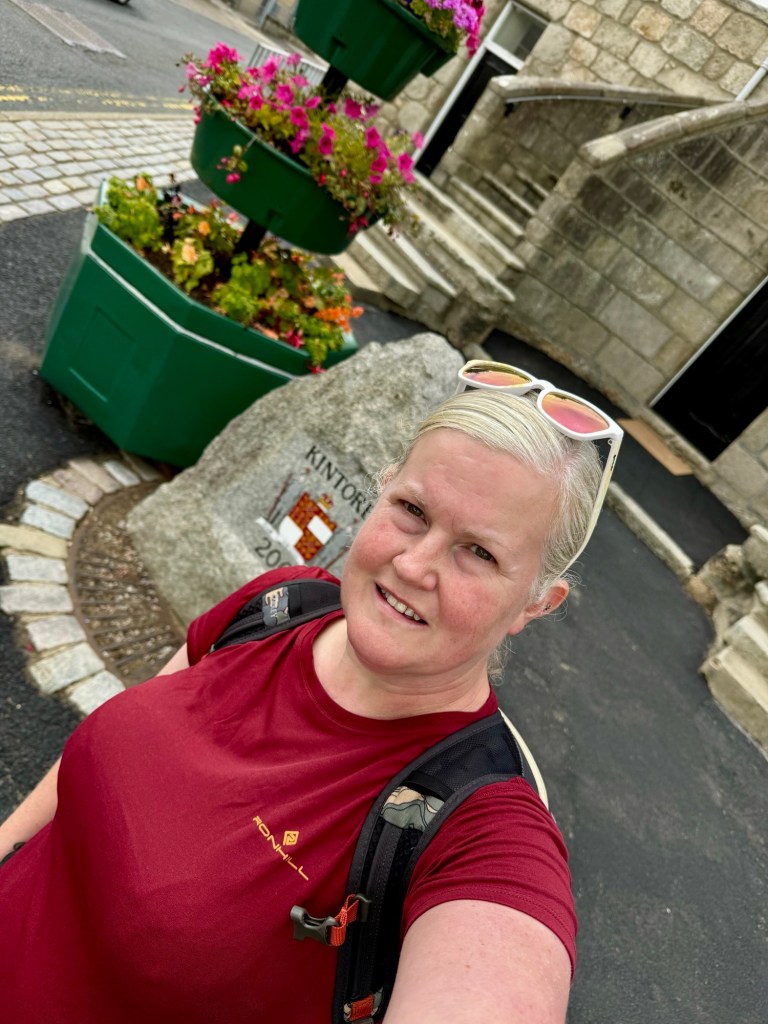
This tour is a brilliant way to uncover the history of Kintore. It is well designed, easy to follow, and brings the past to life. I hope other communities take inspiration from this project and create similar tours to celebrate their own heritage.

kintore.org.uk

Aberdeenshire Walks, Places to Walk

Kirk of Skulls & Coastal Circular, Gardenstown

Distance: 5 miles. Time: 2-3 hrs. Level: Easy, with some elevation. Terrain: A mixture of road, grass track, and well-maintained paths. Access: As you travel along the B9031 from Macduff, you’ll see a signpost for St John’s Church (AB45 3ES) on the left. Shortly after, you’ll find an old quarry on the right, which is the best place to park. The What3words location for the quarry is: ///townhouse.inhabited.note

Please note, there is no direct public transport to the start of this walk. However, you could take the No. 273 bus to Gardenstown and walk to the church from there, although the path may be overgrown in places.

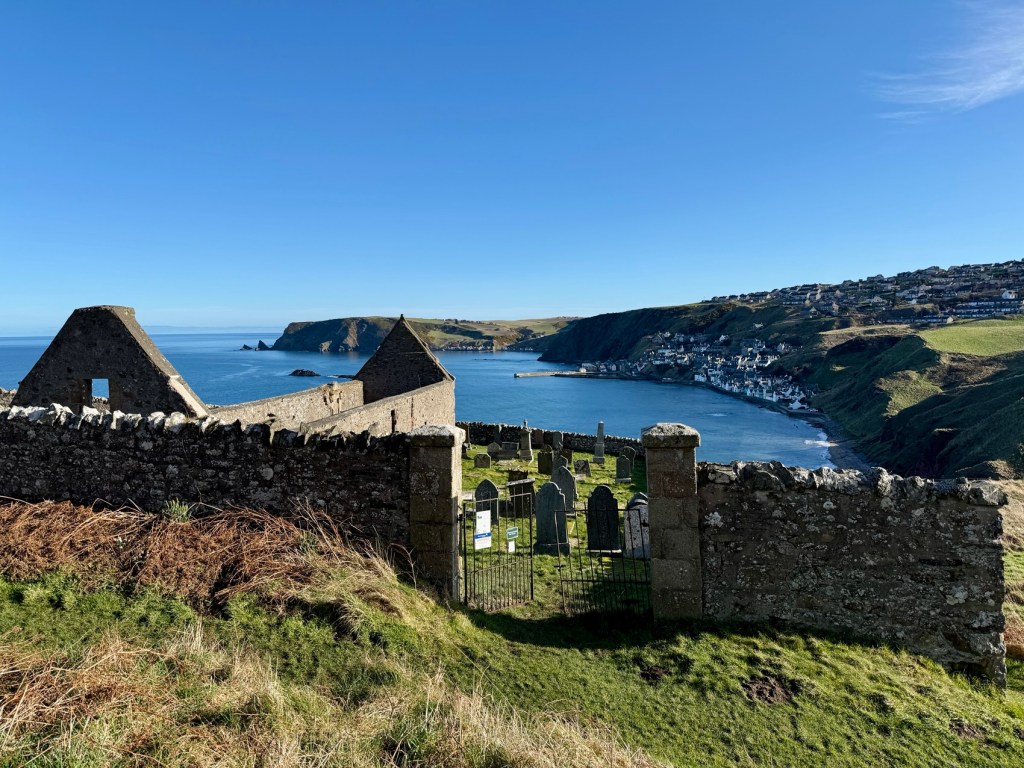
This is a beautiful circular coastal walk with stunning views and a fascinating slice of local history. At its heart lies the atmospheric ruin of St John’s Church, better known as the Kirk of Skulls, perched dramatically above Gamrie Bay.

Start at the old quarry parking area and carefully cross the road to join the small road signposted for St John’s Church. Follow this road as it winds along past the church’s own small carpark. Although you can park here, the rough condition of the access road makes the quarry a better option.

Continue along the track beyond the carpark until you reach the ruined church and graveyard This is St John’s Church, a historic 11th-century site dedicated to St John the Evangelist. Most of the ruins visible today date from the early 1500s, with later additions in the 17th century.

The nickname “Kirk of Skulls” comes from a dramatic local legend linked to a battle in 1004 AD, the Battle of the Bloody Pits. According to tradition, a Viking fleet sought shelter along the Banff coast during a fierce storm. Short on supplies, around 600 Vikings landed near present-day Gardenstown, hoping to raid the area. Unbeknown to them, the Thane of Buchan had anticipated an attack and assembled a strong local force.

A brutal battle followed, ending in the Vikings’ defeat. The heads of three Viking leaders were said to have been displayed within the church until the 19th century, a gruesome detail that inspired the church’s eerie nickname.

After exploring the ruins, continue a short way beyond to a bench with a panoramic view of Gardenstown, locally known as Gamrie. Retrace your steps slightly to the map board, then head up the well-maintained footpath. There is a steady climb here as you make your way inland.

At a junction, take the left-hand path. After passing a farm, continue on the right-hand path, which leads past a row of wind turbines.

Once you reach the coastline, pause to soak in the spectacular views across the Moray Firth. Turn right here to follow the coast back toward Gardenstown, with views of Crovie appearing along this stretch.

Eventually, the path swings back inland. Before you reach the previous junction, take the left turn which leads you back down toward the church. From there, simply follow the road back to the quarry, where your walk ends.

This circular route offers a rich mix of history, coastal beauty, and peaceful rural scenery. It’s an ideal walk for a sunny morning or afternoon, just be sure to bring sturdy footwear and a camera for those views.

Moray Walks, Places to Walk

Explore Black Water Lodge and Dead Wife’s Hillock Hike

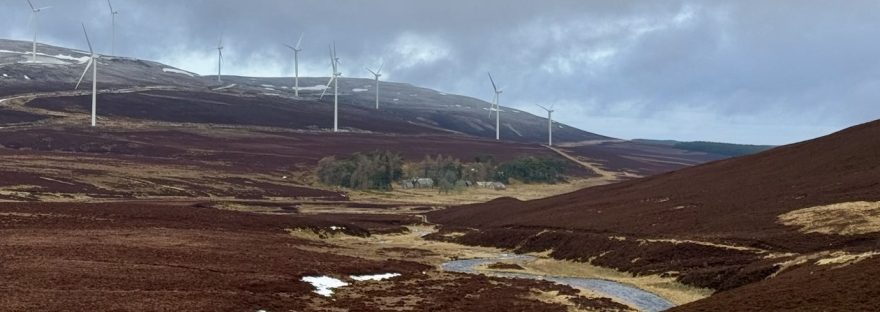
Distance: 7 1/2 miles Time 3 – 4 hrs Level: Moderate with elevation. Terrain: Grass track and Landrover tracks. Car parking is available at The Steplar car park (AB54 4HY). Google Maps will take you to the correct location. There is no public transport to the car park. The area is part of the Dorenell Wind Farm. Only a few miles along the road you will find the Dorenell Visitors Centre at AB54 4EL. Here you will find a public toilet and lots of information about the trails in the area. 


This is a fantastic walk in the beautiful and remote Cabrach, located between Dufftown and Rhynie. Cabrach is known for its rugged landscape and remoteness. It has to be one of my favourite places to escape for an adventure. With a mix of wildlife, history and amazing views it really is an epic place to visit. 


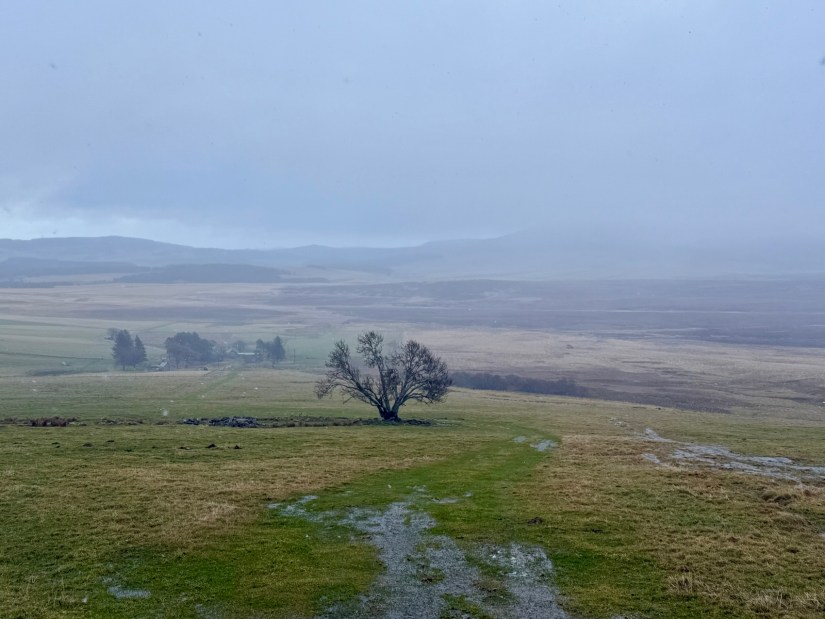
At the start of the walk, there is an information board with the wildlife you may spot along the way as well as a map. From the car park, go through the gate and head up the grass track toward the solitary tree visible on the hill. Once you reach the tree, go through the gate and continue onto the Land Rover track. Don’t forget to look back!

The climb up Dead Wife’s Hillock is steep but worth it as you will get 360 degree views on a clear day. The hill’s eerie name is said to come from a story of a woman who perished there in the late 17th century during a famine. She died of starvation and was found with a child still alive, attached to her breast.

As I walked up the hill, I spotted a herd of deer on the left side. I didn’t see any more up close. It was a quiet day in the sky for birds, but golden eagles have been spotted in this area.

Once you reach the highest point of the hill, the descent will be a welcome relief. Soon, the Black Water River will come into view. Not far from the river, you will reach a way marker post—take the track to the right. This track follows the river. After a short distance, you will see Blackwater Lodge on the opposite side of the river.


As you approach the lodge, you will come to a fork in the track. Take the right track here—the left track leads to a ford, which cannot be crossed when the river is in spate. After a short distance you will reach a footbridge, cross it to reach Blackwater Lodge.

The lodge was a former seasonal hunting lodge, left unoccupied since the 1960s. Dating back to the late 18th century, it was used by the Duke of Richmond and Gordon. Please be respectful—only look through the windows and do not enter the property.

To the left of the lodge there is a small waterfall, a hidden gem that is worth taking a look. There are plenty areas to sit down and have a picnic and enjoy the peace. 


Once you have finished exploring, retrace your steps back over the bridge and along the track that runs parallel with the river.  At the way marker post, take a left to return over Dead Wife’s Hillock and back to The Steplar car park.

Aberdeenshire Walks, Places to Walk

The Riverside and The Bass, Inverurie. 

Distance : Approx 4 miles. Time : 2hrs. Terrain : Pavements, road and riverside paths that may be muddy so wear sensible footwear. Access : Car parking is available at Burn Lane car park AB51 3SH that is just round the corner from the start of the walk (Car Parking is a couple of pounds). There are regular buses from Aberdeen to Inverness that stop outside the town hall at the start of the walk. The train station is only a short distance away.

Inverurie is one of the largest towns in Aberdeenshire and is packed with plenty of independent shops. Only a short walk from the town centre, you will find yourself in the countryside, with numerous opportunities to discover interesting historical sites along the way.

Start the walk from the Town Hall, heading across the road to the triangular-shaped Garden of Remembrance and War Memorial. Continue along the High Street until you reach the fork in the road. Take a right here onto St James’s Place and keep going until you reach the roundabout. Cross over the road at the island, and you will find the entrance to the riverside paths on your left. Walk down to the riverside and take a left under the Don Bridge.

Before 1790, Inverurie could only be reached by a ford across the River Don. The bridge that stands now was built in 1924. When I was there, I was greeted by many ducks. I’m not sure if they were hoping I had something for them to eat.

Keep following the path. Some areas are narrow and a little overgrown, so be careful along the way. Once you reach the railway bridge, head under it. You will now be in an area called the Stanners. This is the earliest site of habitation in Inverurie, where Bronze Age artefacts have been found. The townspeople gradually moved to Inverurie’s present location to avoid floods. Follow the narrow path that runs along the riverside. The path eventually turns to the left, continue until you reach the wooded area.

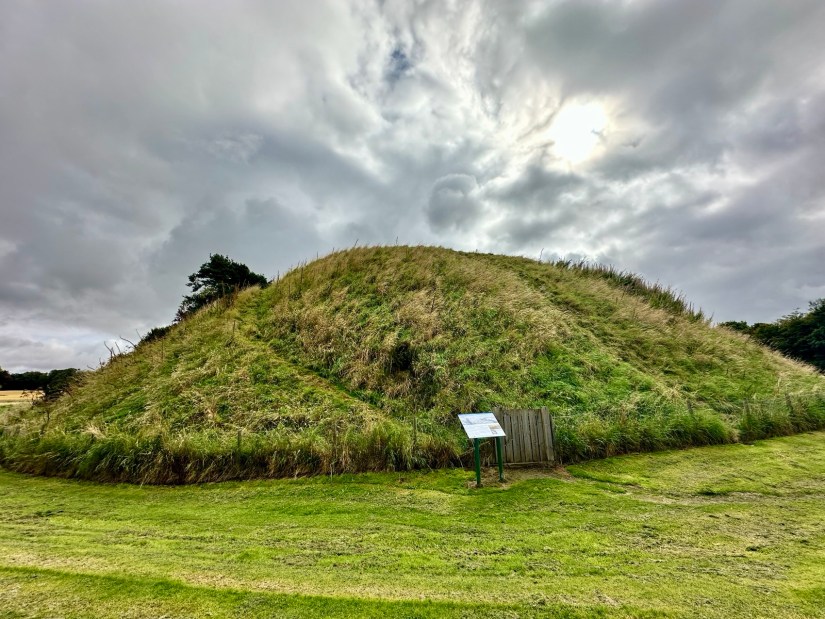
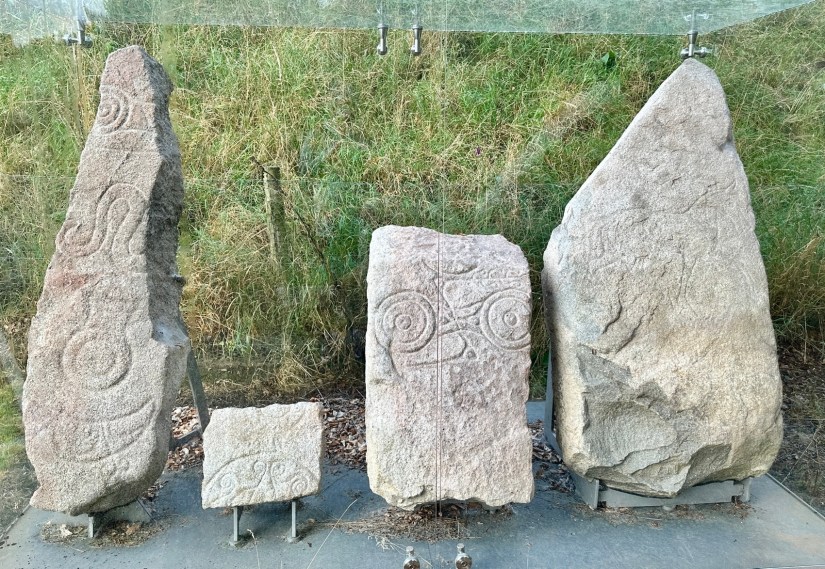
When you come to the bridge, take a left until you find the opening in the fence on your right. Be careful here as this takes you onto the road. When it is safe to do so, cross the road and go through the gates into the cemetery. You will find two large mounds known as The Bass. These were formed from melting ice during the Ice Age. A motte-and-bailey castle was built on top of the Bass in the 12th century by the Earl of Huntingdon. The mound was reshaped and cut in two in the 1800s; the smaller mound is known as Little Bass. Between the mounds, you will find four Pictish symbol stones dating from 400-900 AD. They are said to have been found built into the walls of the old parish church.

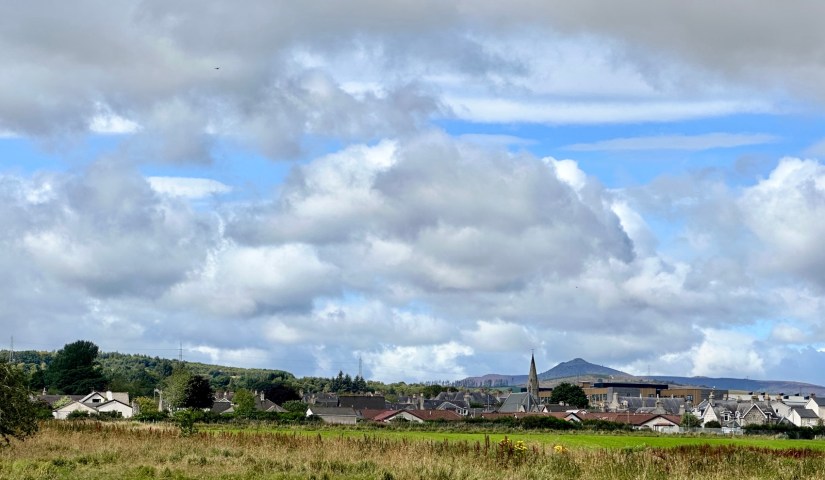
Beside the Bass, there is an opening in the wall where you can get back onto the path. Keep following the side of the cemetery wall until you return to the riverside path. Take a right here, and you will soon come back to the waterside. A path winds its way along the River Urie, I spotted swans on the water along here and a sparrowhawk in the trees. The river will take a left turn, and you will come into a wooded area. Here, you will find a path that turns left and heads back into the town. You will get an excellent view of Inverurie with Bennachie behind it.

Follow this path until you reach the railway crossing and when it is safe to do so, go through the gate and cross the line. Go straight ahead, passing the car park, houses, and buildings, until you return to the High Street. Take a right to return to the Town Hall and the end of the walk.

Aberdeenshire Walks, Places to Walk

Banff and Whitehills Circular

Distance: 5 ½ – 6 miles Time: 2 – 3 hrs Level: Easy with some elevation Terrain: Mix of pavement, track, road, and beach Access: Car parking is available at the Quayside car park (AB45 1HQ). Regular buses run between Elgin and Aberdeen, with the nearest bus stop located at Chalmers Hospital, just a short distance from the start of the walk.

This is a wonderful coastal walk from the Aberdeenshire town of Banff to the neighbouring village of Whitehills. Before setting off, check the tidal times so you can enjoy walking along the beach.

From the Quayside car park, head towards the beach, taking the coastal path along Scotstown. Watch for cormorants drying their feathers on the rocks, and you may even be lucky enough to spot dolphins passing by.

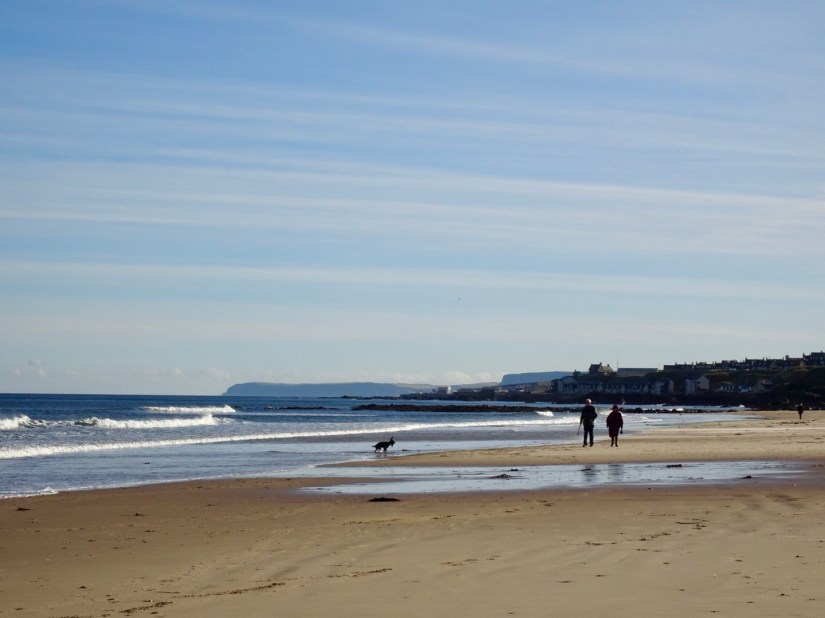
Soon, you’ll come to steps leading down to the beach if you’ve timed the tide right. Banff Links is a fantastic beach to walk along, and on a sunny day, it’s lovely to take a wee paddle as you stroll. When you reach the end of the caravan park, take the ramp on your left to return to the path.

Follow the path and go over the footbridge until you reach a fork. Take a right here, and shortly you’ll arrive at Blackpots Playpark and Harbour.

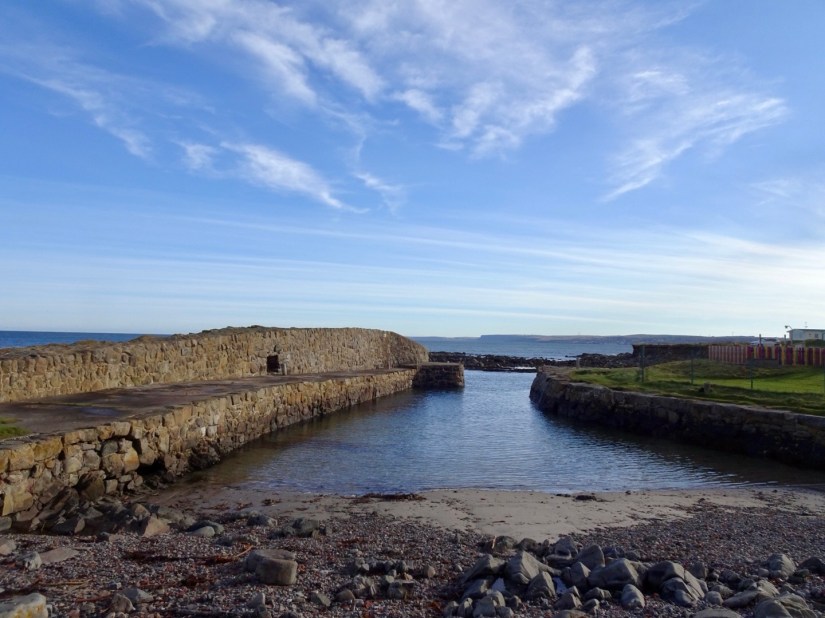
The small, disused harbour was built in the late 18th century. The playpark was a favourite spot for my kids when they were younger, and I have fond memories of enjoying fish and chips with my mum while the kids played. fter the playpark, you’ll come upon the Fisherman’s & Seafarers’ Memorial and Whitehills Marina.

Continue along the road, passing Downies Fish, and keep an eye out for the “Light the North” lighthouse.

Stay on Seafield Street until you reach the post box and telephone box then take a left along Loch Street. Continue on Loch Street until you leave Whitehills. Soon, you’ll come to the coastal path on the left, take this path back towards Banff.

Along the coastal path, you’ll find the Red Well. The name comes from a spring that emerges from the ground, leaving red deposits, possibly due to iron content. The nearby beehive-shaped structure is thought to have been built by the Romans.

After the Red Well, continue on the path until you reach a fork just before the footbridge. Take the fork to the right and follow the track to a junction. Take a left here, follow the road over the bridge, and continue until the road splits.

Take the road on your right, which will lead to the Banff Links car park. Turn right and walk through the car park. At the other end, you’ll find a path with a gate. Go past the gate and continue along the path. After the third blue pavilion, you’ll come to another fork; take the track to the left, passing a small stone building (possibly an old icehouse).

Stay on this path as it winds through Scotstown. You’ll pass behind a row of houses; at the end of these, you’ll see some sheds. Take a left here to return to the Quayside car park.

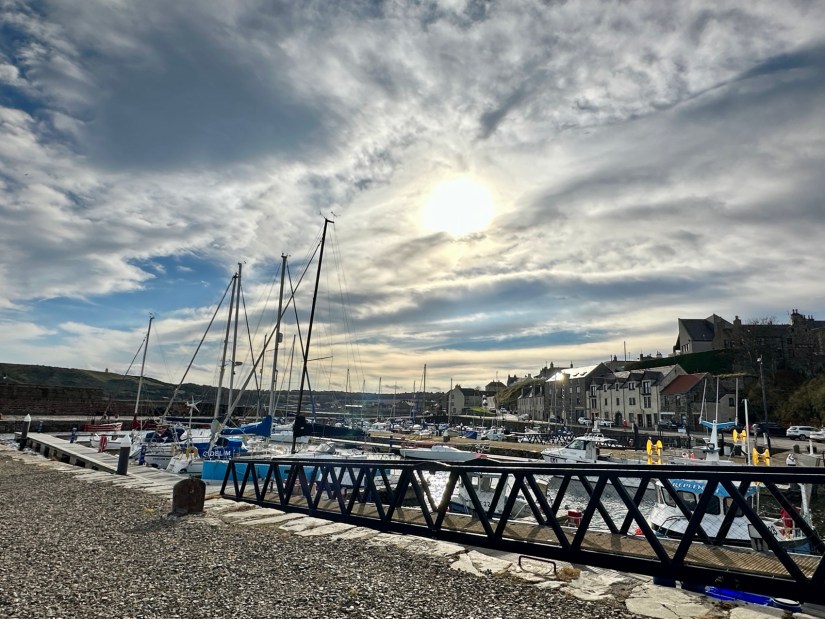
Next to the car park, you’ll find the recently upgraded Banff Harbour, which is worth a visit before finishing your walk. You’ll enjoy lovely views of Macduff from the harbour.

Moray Walks, New Walk, Places to Walk

Hiking up Ben Rinnes

Distance: 4 3/4 miles Time:2 1/2hrs – 4hrs Level: Moderate with lots of elevation. Access: Arrive by car. Parking available at the foot of the hill at AB55 4DA. No public transport.

Ben Rinnes is 841 metres high and is classed as a Corbett. It is a mountain so please be mindful of this and be prepared before setting off. Make sure you have suitable clothing, footwear, food and water. The weather can be very different at the bottom as it is at the top.

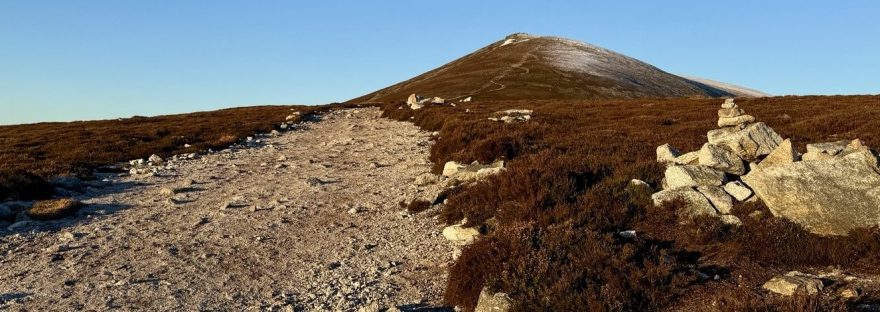
From the carpark head through the gate. Here you will follow the path as it meanders up the first small hill known as Round Hill. At the top of Round Hill, the path flattens out briefly. Then you start to ascend Roy’s Hill. You will continue on the well made path throughout.

As you reach the summit of Roy’s Hill, the path flattens out again. You will get a welcome breather before your final ascent to the summit of Ben Rinnes.

The last section is the most challenging with the mix of path and steps on the way up. This is a great opportunity to stop and take some photos. It will give you a chance to catch your breath.

When you reach the top, head round the back of the tor (large rock formation). Then climb the last wee bit to get to the summit trig point. If you are lucky enough to have a calm, clear day, you will enjoy stunning views across Moray. You can also see the Cairngorms on such days.

To ascend, you will retrace your steps down Ben Rinnes. Then, head down Roy’s Hill and Round Hill before returning to the carpark. This marks the end of the hike.