

Distance: 5 miles Time: 2-3 hrs Terrain: Mix of pavement, road, grass and rough trail Access: Easy with some elevation 45Getting there: I found plenty of on street parking around the Kintore Public hall area AB51 OQP. Kintore has very good public transport links. The train station is only a short walk and there is a bus stop in the square.
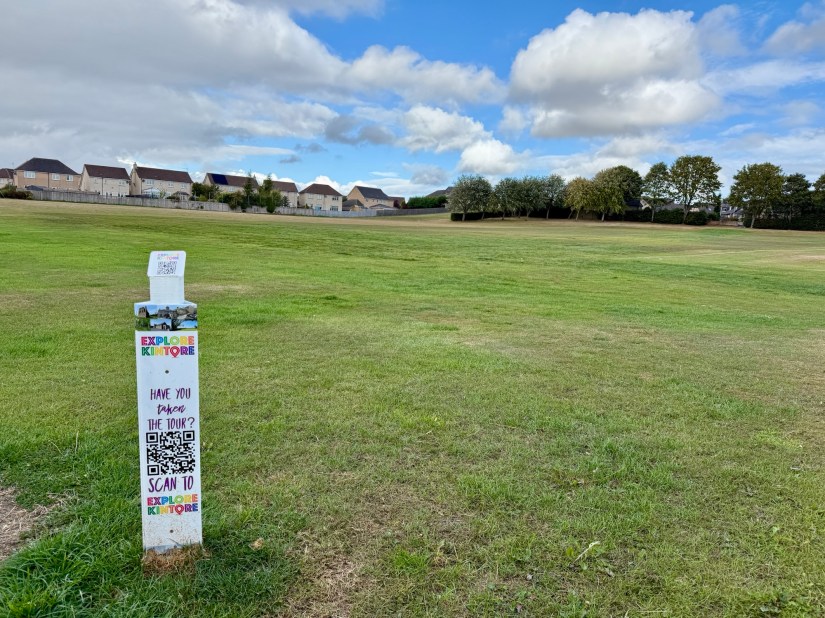
Explore Kintore is a fantastic new interactive history tour of the town. At each stop you will find a QR code to scan, giving you a short two-minute story about the place where you are standing.
I began the walk at Kintore Public Hall on School Road. Built in 1894, the hall is still run by the community and is the starting point of the tour. From here, take a left towards the church.

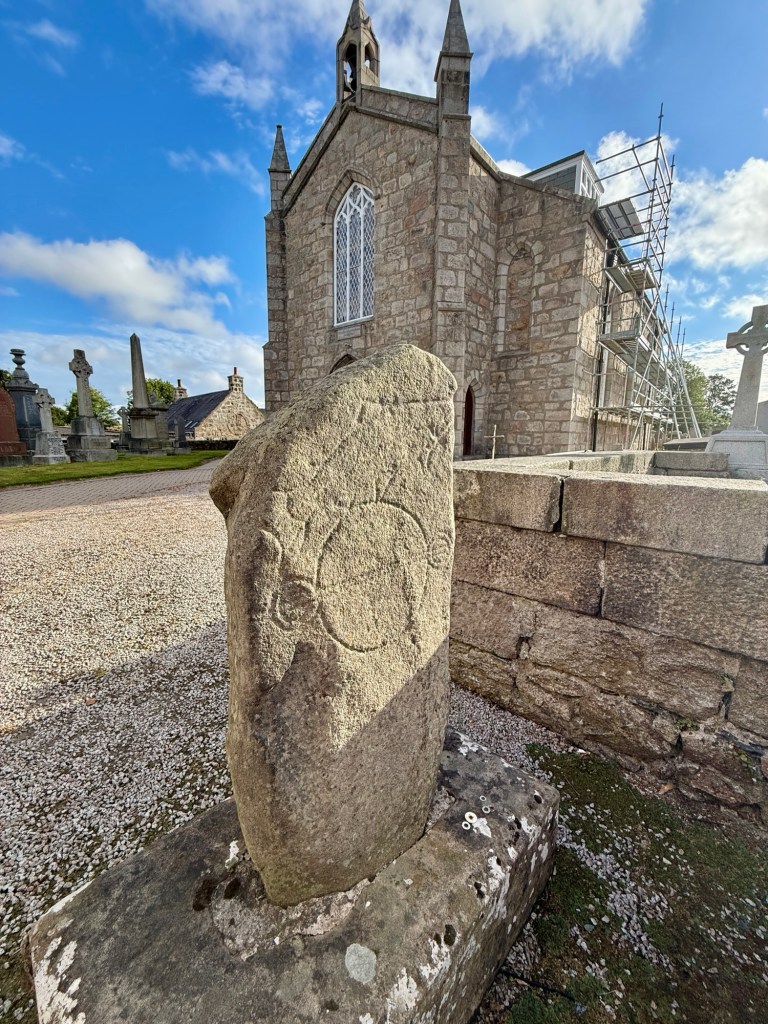
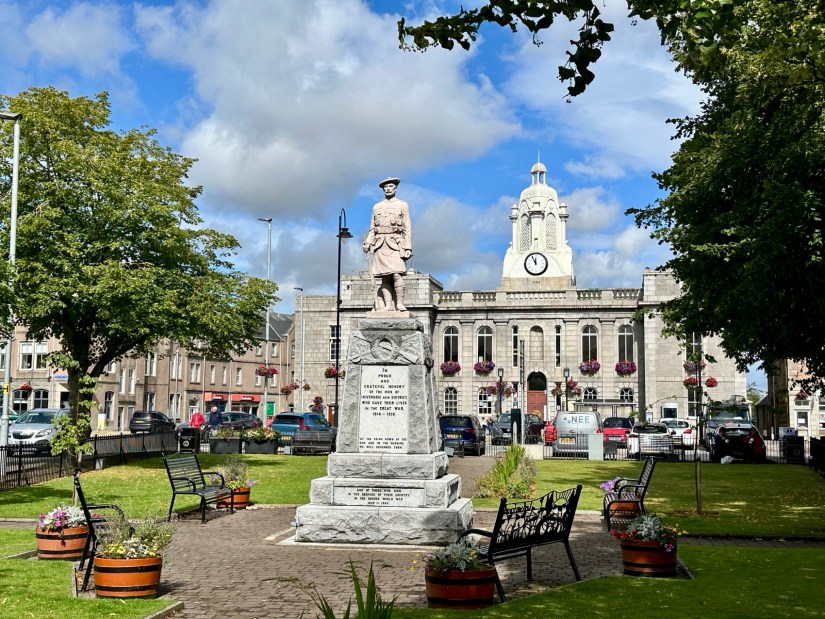
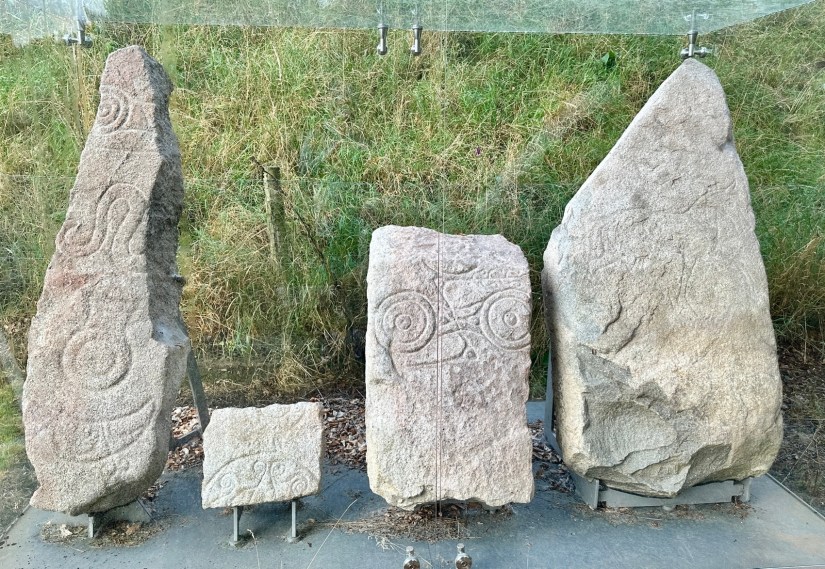
At the church you will find three QR codes. At the gates stands the war memorial, one side has a list of those who gave their lives in the Great War. Go through the gates to find records those who fell in the Second World War. Next to the gates is the Kintore Pictish Stone, discovered in the churchyard but possibly from Castle Hill. Turning around you will see Kintore Kirk, the parish church built in 1819.
Leaving the kirkyard, turn left along Kingsfield Road until you reach the edge of town. On the right is a large white house, and just beyond it another QR code. This tells the story of the Aberdeenshire Canal, closed long ago to ma ay for the railway.I took a short detour furth along the road here to capture the view of the train tracks with Bennachie in the background.

Heading back along Kingsfield Road, continue into town until you reach the road called Howieslap on your left. Turn down here and walk straight on, when you come to wooden sheds you will see a grassy track. Follow the track right to reach a footbridge over Tuach Burn.
Cross the bridge and head uphill to the mast on Tuach Hill, where you can also bag a trig point. Looking back over Kintore, take the track on your left. This leads past an old quarry and the remains of Carn Ulach, a stone circle. Keep following the trail until it rejoins the main track.
Soon you will come to a fork. Take the left path down into the park and cross another bridge, gated but accessible. After the bridge turn right to find a bench with a QR code about Tuach Hill.
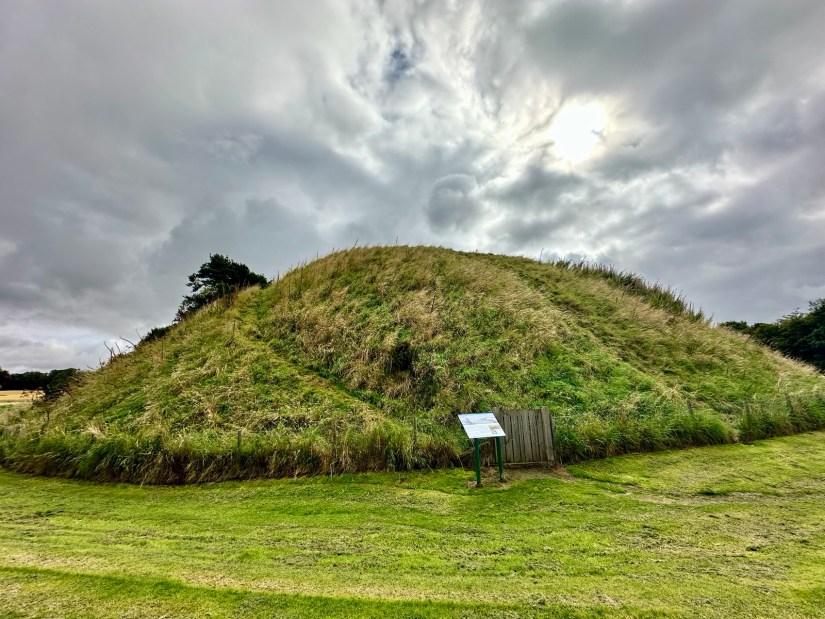
From here continue straight on, then turn left at the next junction. At the end of the road, turn right and cross over. A path with bollards to the left leads you to the play park, built on the site of the Roman camp known as Deer’s Den. Another QR code here tells its story.
From Deer’s Den, continue along Hallforest Drive. Cross the road at the roundabout and carry on along Castle Road, under the bypass, until you reach a large house on the right. Just beyond it, turn right for Hallforest Castle.
Dating back to the 14th century, Hallforest Castle is one of the oldest in Scotland. After visiting, follow the road past the ruins, turning right, then right again, and finally left to return under the bypass.

Keep straight until you reach the roundabout.Take a left onto Hallforest Avenue, then turn left again at the T junction onto Forest Road. This leads you back to the square for the final two QR codes.
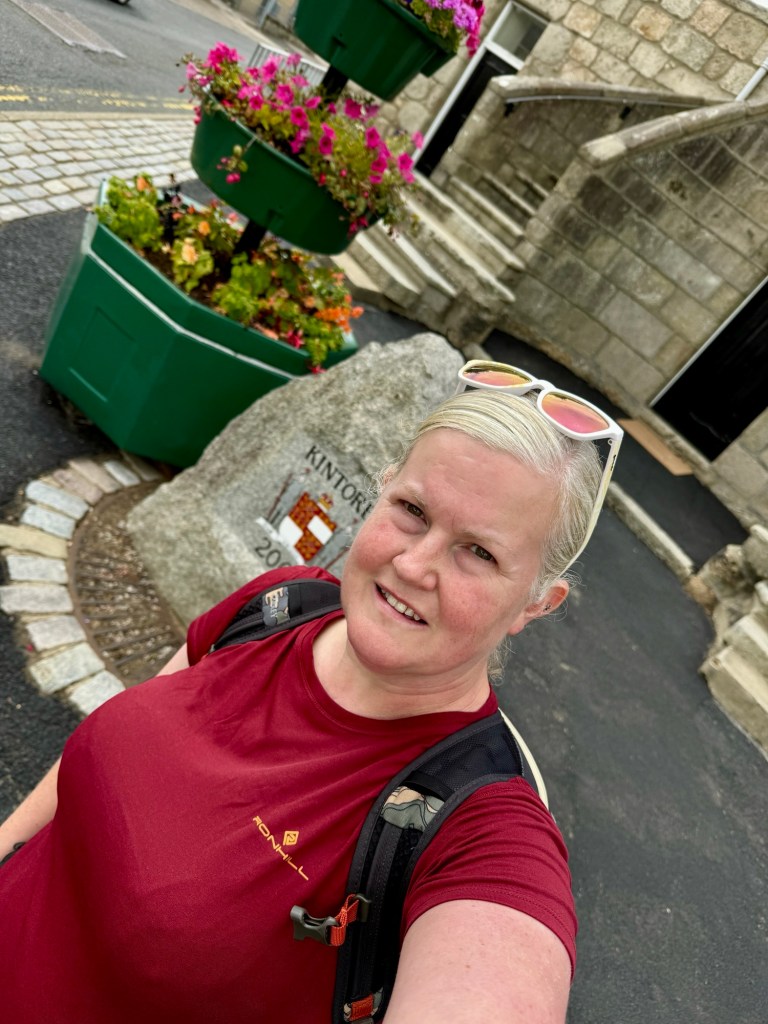
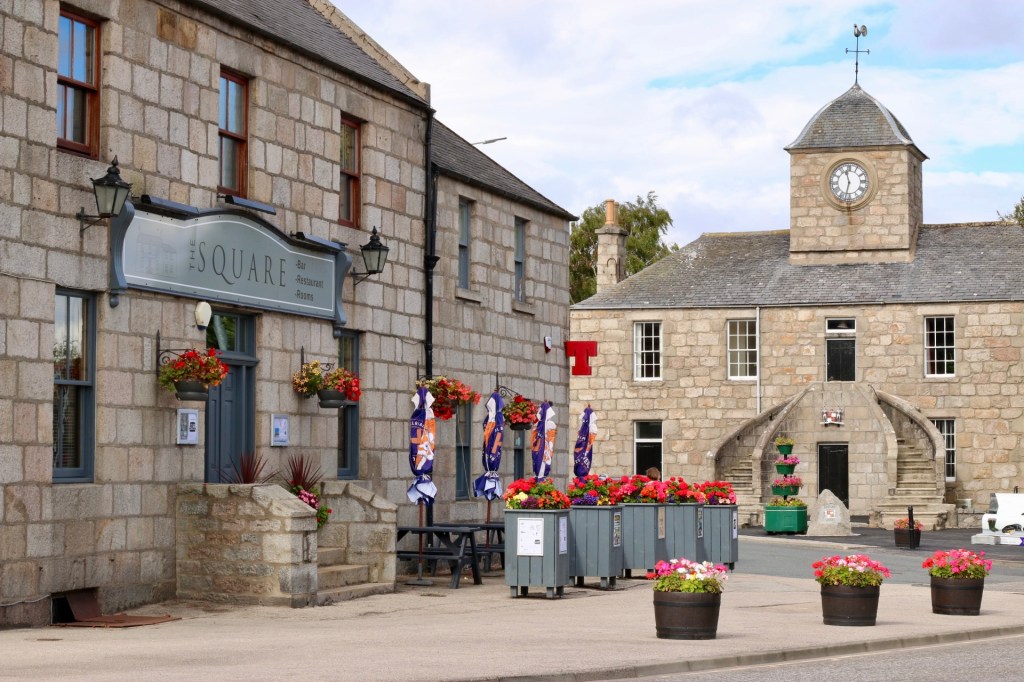
The first is at Kintore Town House, a striking building commissioned by the Earl of Kintore in the 18th century. At the front stands the Kintore Millennium Stone. The final QR code is at the Kintore Arms Hotel.
This tour is a brilliant way to uncover the history of Kintore. It is well designed, easy to follow, and brings the past to life. I hope other communities take inspiration from this project and create similar tours to celebrate their own heritage.












 Tracy Goes Outside